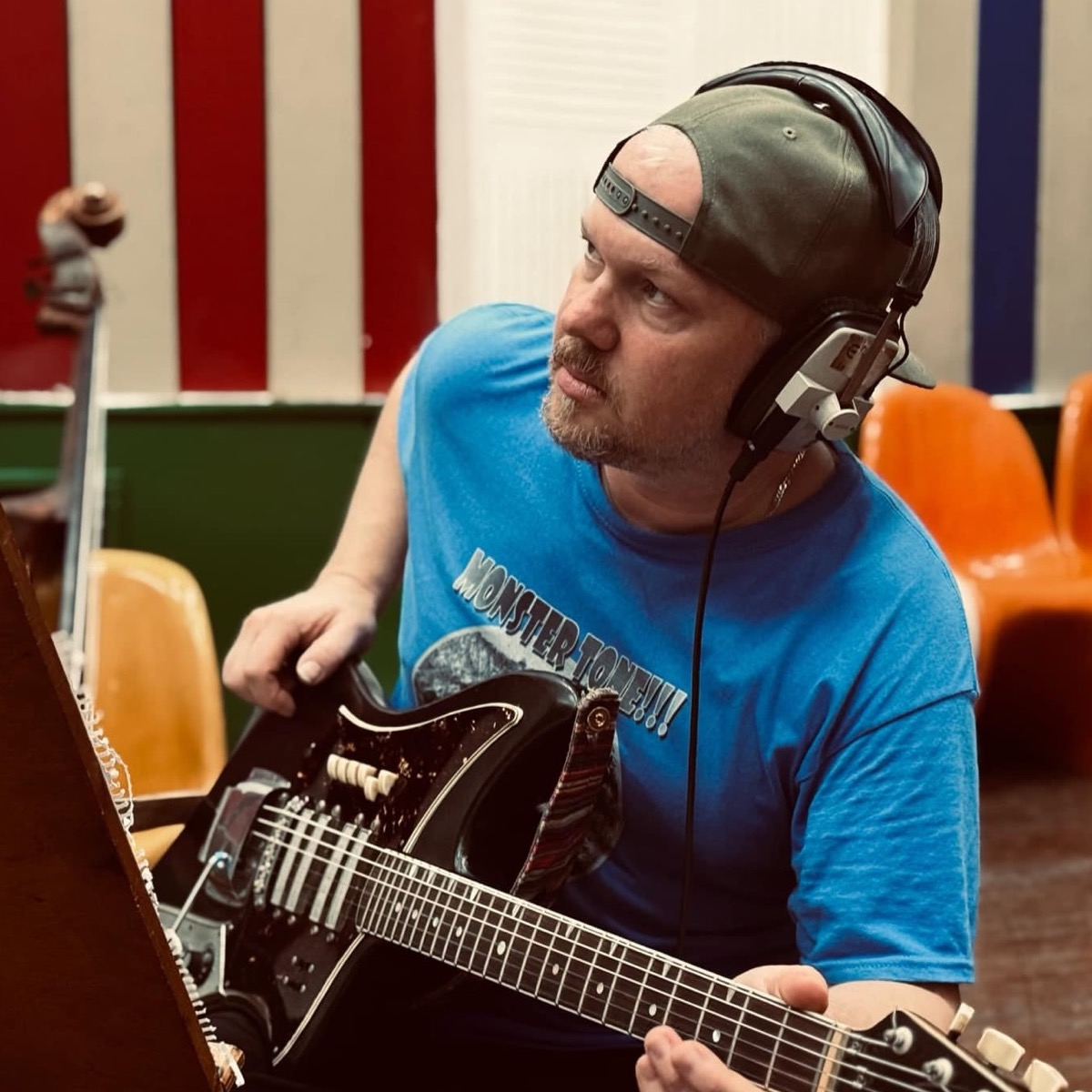
Ramon Goose
Electric guitar, vocals
English guitarist, born in Colchester in 1975. Twenty-odd years of blues records behind him and now working almost entirely in Cuban music.
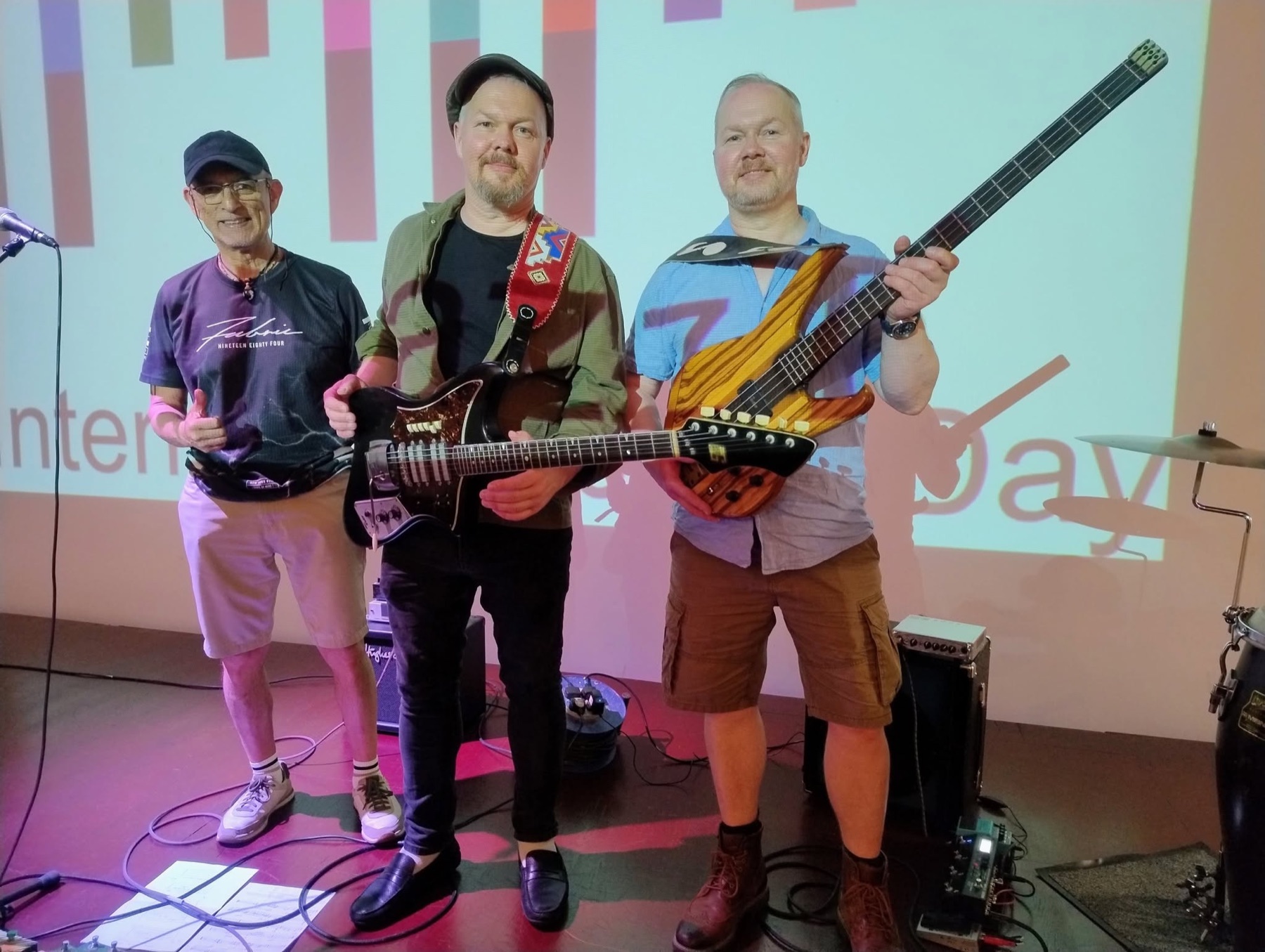
The Compadres are Ramon Goose’s Cuban band: two line-ups under one name, one in London and one in Santiago de Cuba, playing son, guajira and bolero with an electric blues guitar in place of the tres.
A trio, led by Ramon Goose and Kieffer Santander. The line-up that plays here: festivals, clubs and anything on this side of the water. Cuban repertoire with a Peruvian percussionist in it, which sends the rhythm somewhere neither tradition would have gone on its own.
Electric guitar, vocals
English guitarist, born in Colchester in 1975. Twenty-odd years of blues records behind him and now working almost entirely in Cuban music.
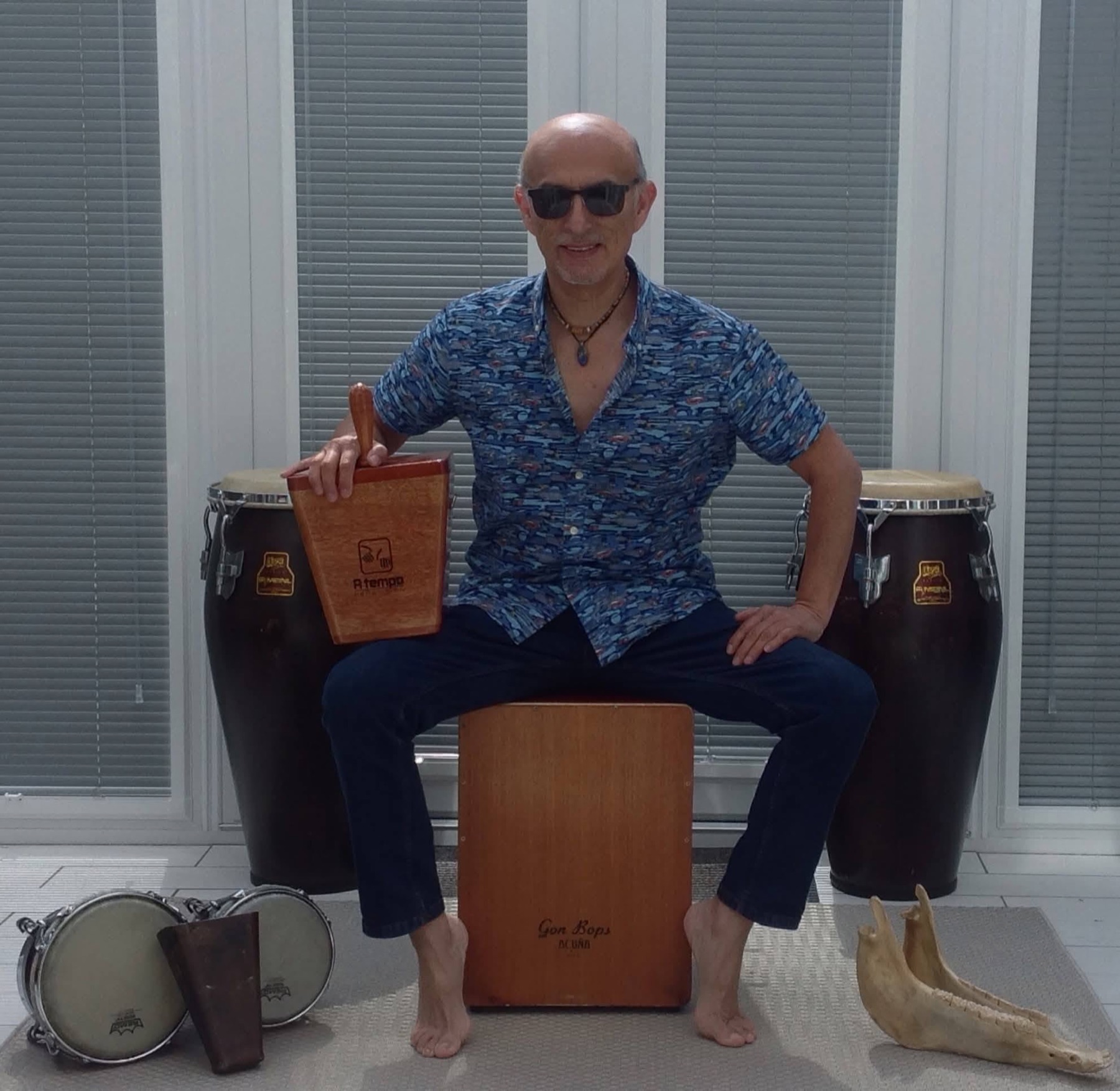
Musical director, percussion, vocals
Musical director of the London Compadres. Percussionist, composer, teacher and bandleader, born in Peru and based in the United Kingdom, and one of the leading players of Afro-Peruvian and Criollo percussion working in Europe, a tradition he has spent his career keeping alive a long way from home.
That is what makes this band sound the way it does. The cajón and the quijada — the jawbone of a donkey, played by rattling the teeth in the socket — are Afro-Peruvian instruments, not Cuban ones. Putting them underneath son and guajira sends the rhythm somewhere neither tradition would have reached by itself.
Raised in Lima, where he trained at the Escuela de Bellas Artes before taking a degree in business administration at the Universidad Ricardo Palma. After moving to the UK he carried on at Queen’s Way College and sharpened his reading and Latin percussion at the Studio Tom Allien Centre in Stratford.
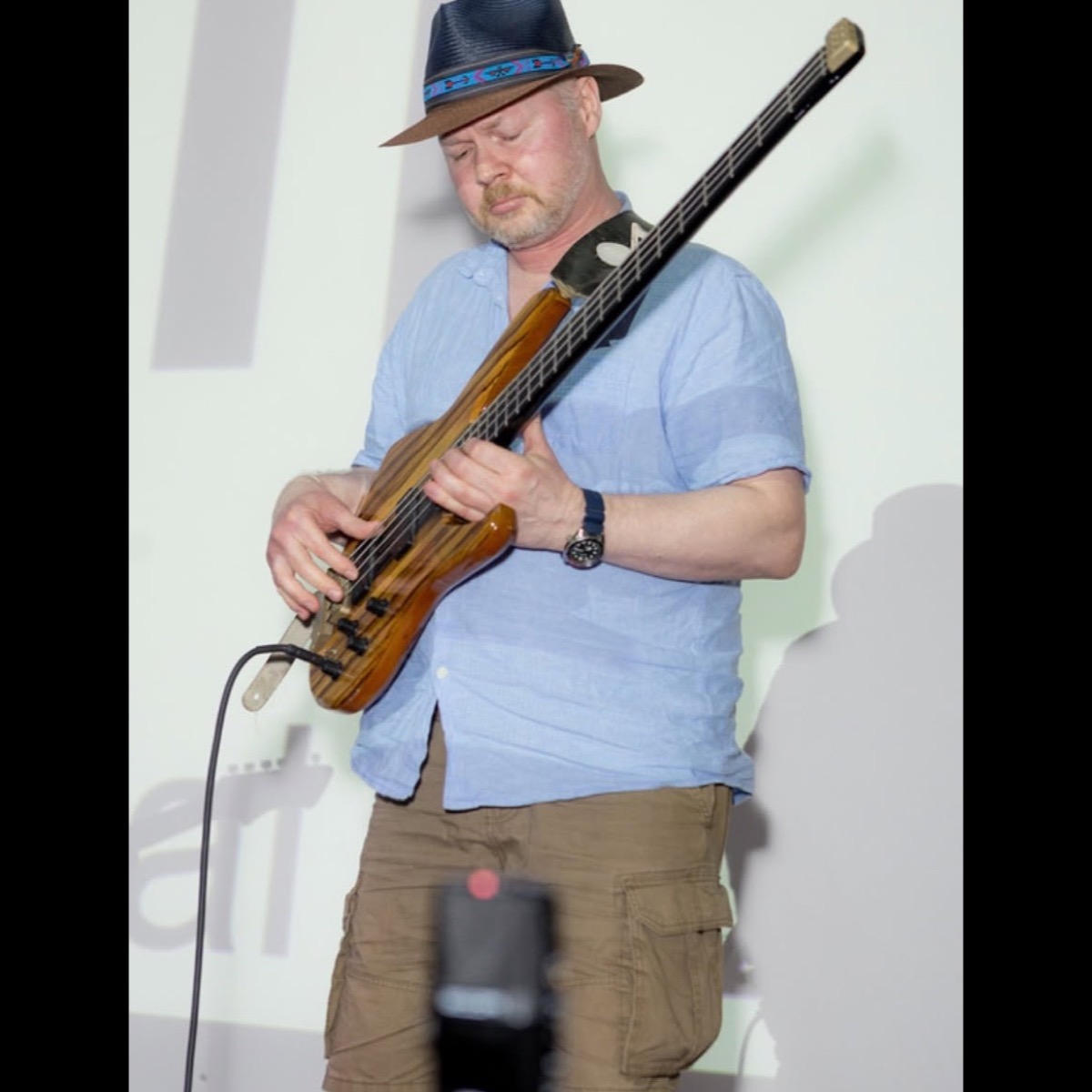
Bass
My identical twin brother, on bass. Thirty years of listening to the same records and playing in the same rooms, which turns out to be a shortcut no amount of rehearsal replaces: the bass and the guitar move together without either of us having to look up.
He has played with Pee Wee Ellis and toured with Eric Bibb, and spent seven years on the Paris jazz scene. That is where he learned the tumbao, the Cuban bass figure the whole band sits on. Most bass players coming to this music have to be taught it. He already had it.
The Cuban line-up, and the band on the record. These are Santiago players working in the son and trova traditions the city invented.
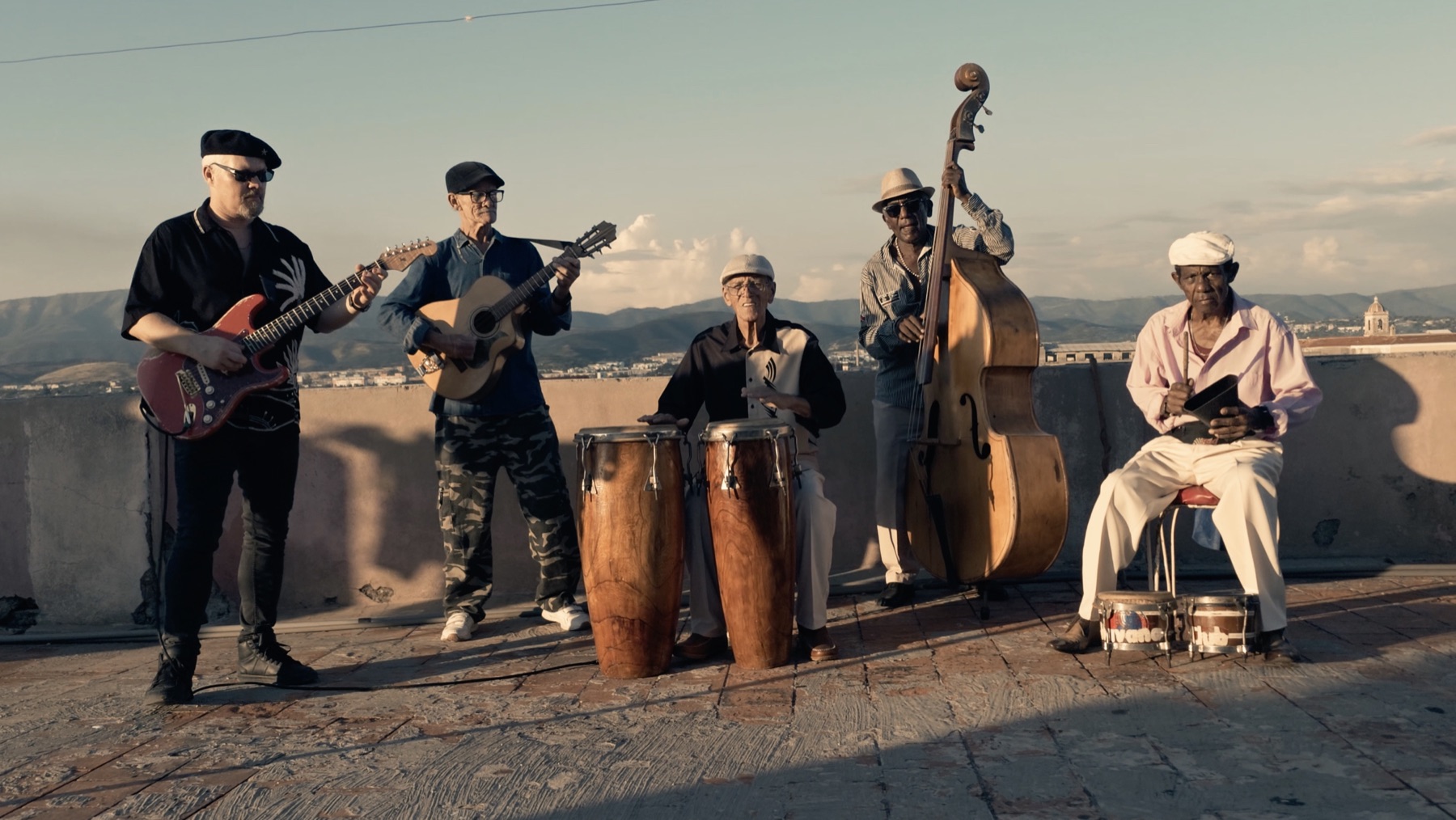
Electric guitar, vocals
The constant in both bands.
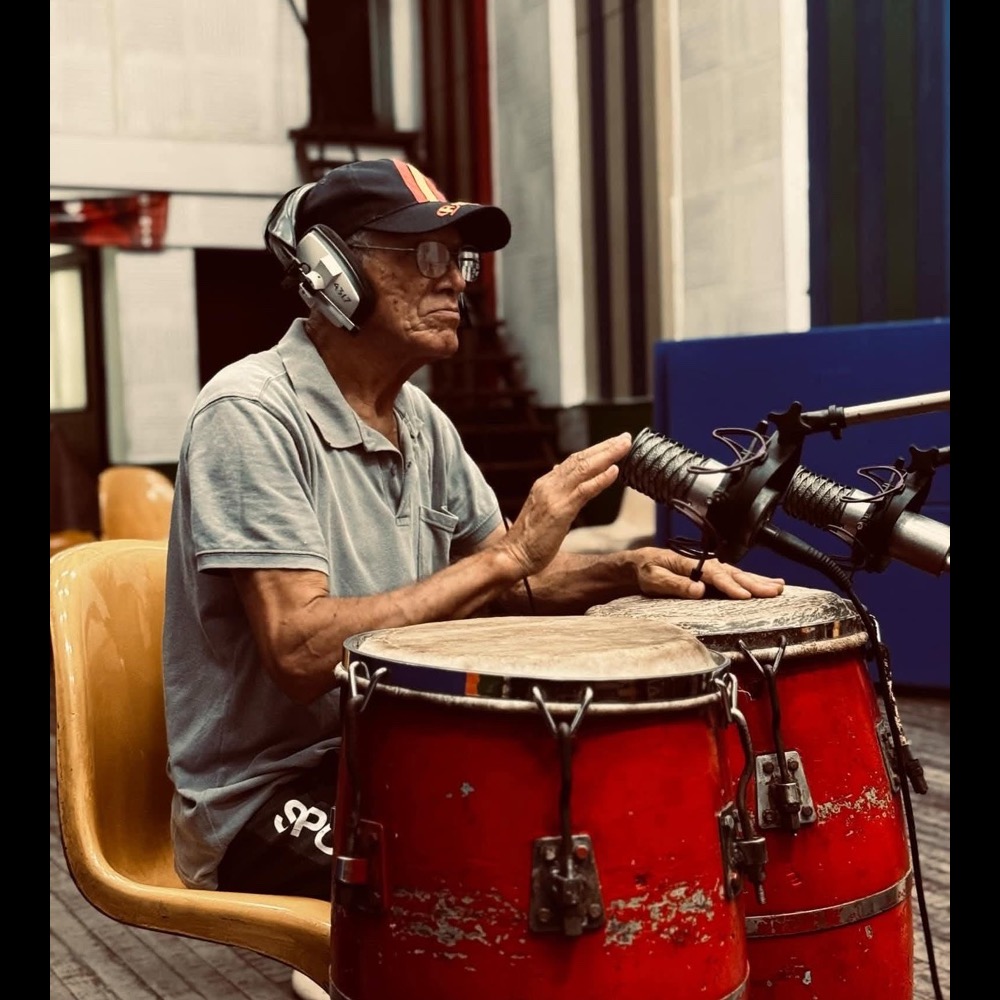
Congas
The band started with him, in Santiago in 2023. He played in Compay Segundo’s band for over twenty years, which is about as direct a line back to the music the Buena Vista Social Club made famous as anyone still playing can claim.
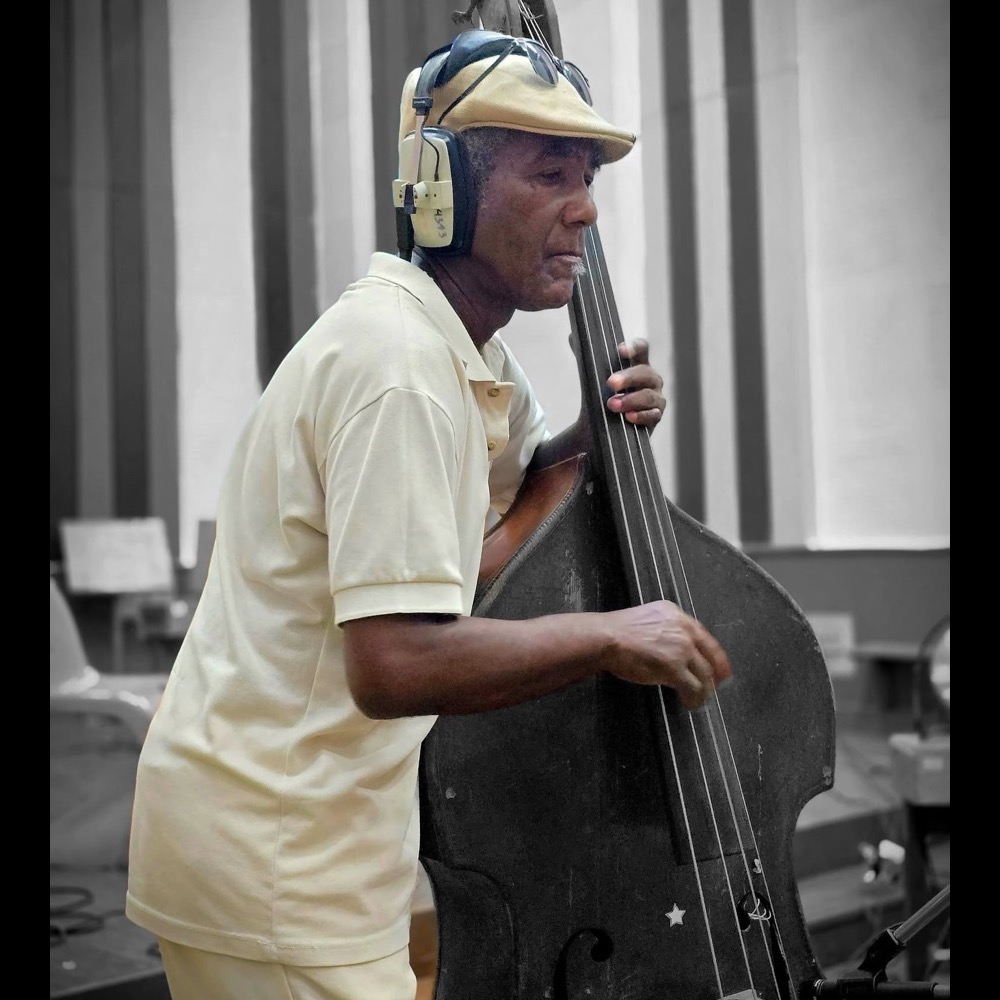
Double bass
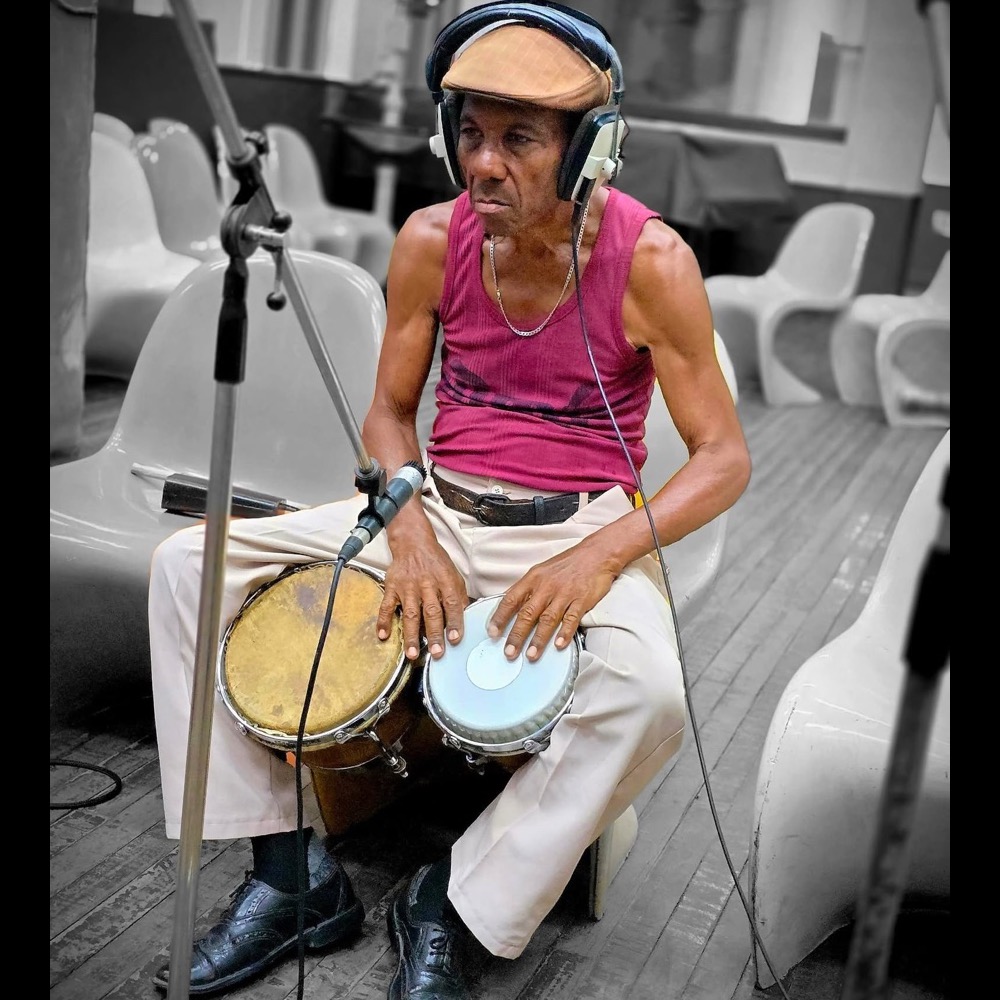
Bongó
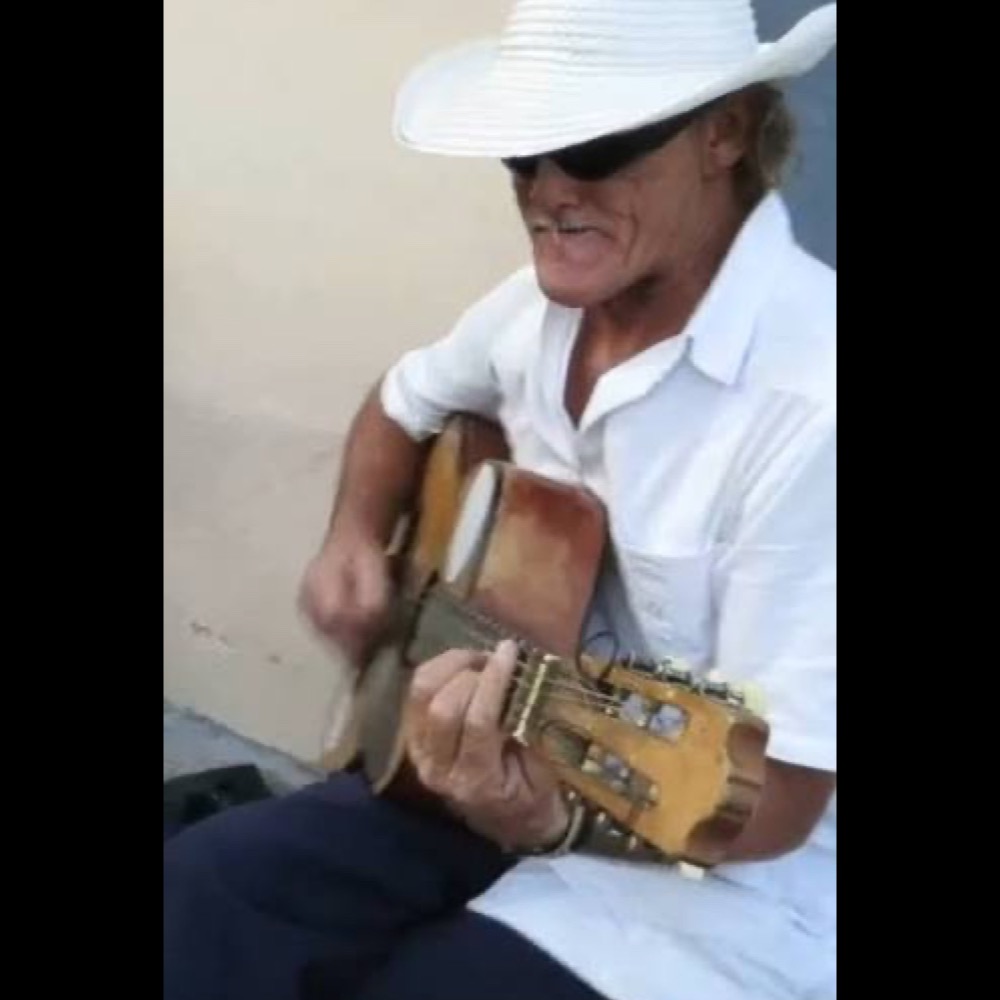
Tres
Santiago tresero, and a member of Los Jubilados del Caribe, the veteran group from the city whose reading of Siboney features the multi-instrumentalist and whistler known as El Silbador.
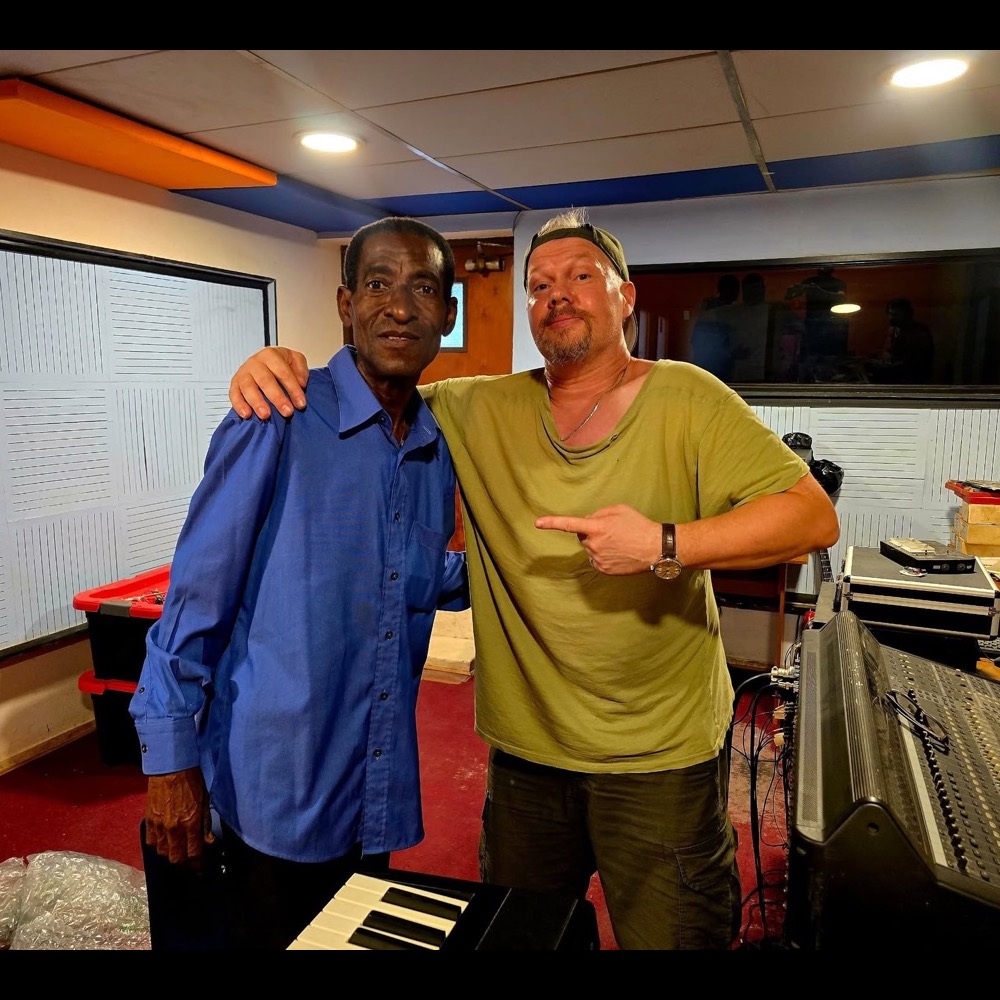
Piano
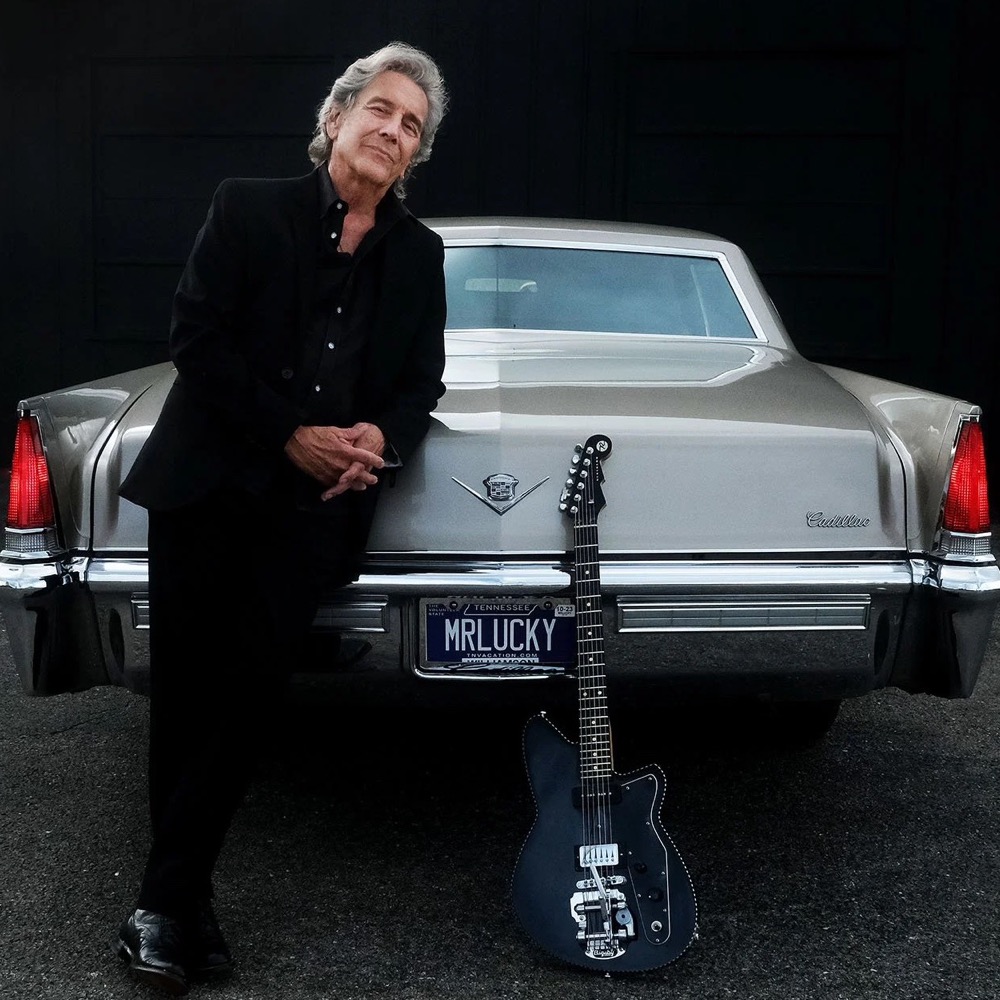
Maestro. Guitarist, formerly of Fleetwood Mac
A maestro, and one of the great American slide players. He plays the lead guitar on I Loved Another Woman — a Peter Green song he knows from the inside, having taken Green’s chair in Fleetwood Mac from 1987 to 1991 and played on Behind the Mask. That is his slide on Bob Seger’s Like A Rock. Before and since, the sessions run deep: Bonnie Raitt, Jackson Browne, John Mayall, John Fogerty, Roy Orbison, Little Richard, Leon Russell, Boz Scaggs, Roger McGuinn. He started out with Delaney and Bonnie and opened for Muddy Waters in 1969, and he is Grammy-nominated for his work fronting the Mick Fleetwood Blues Band. He also plays on the new Alejandro Almenares record.
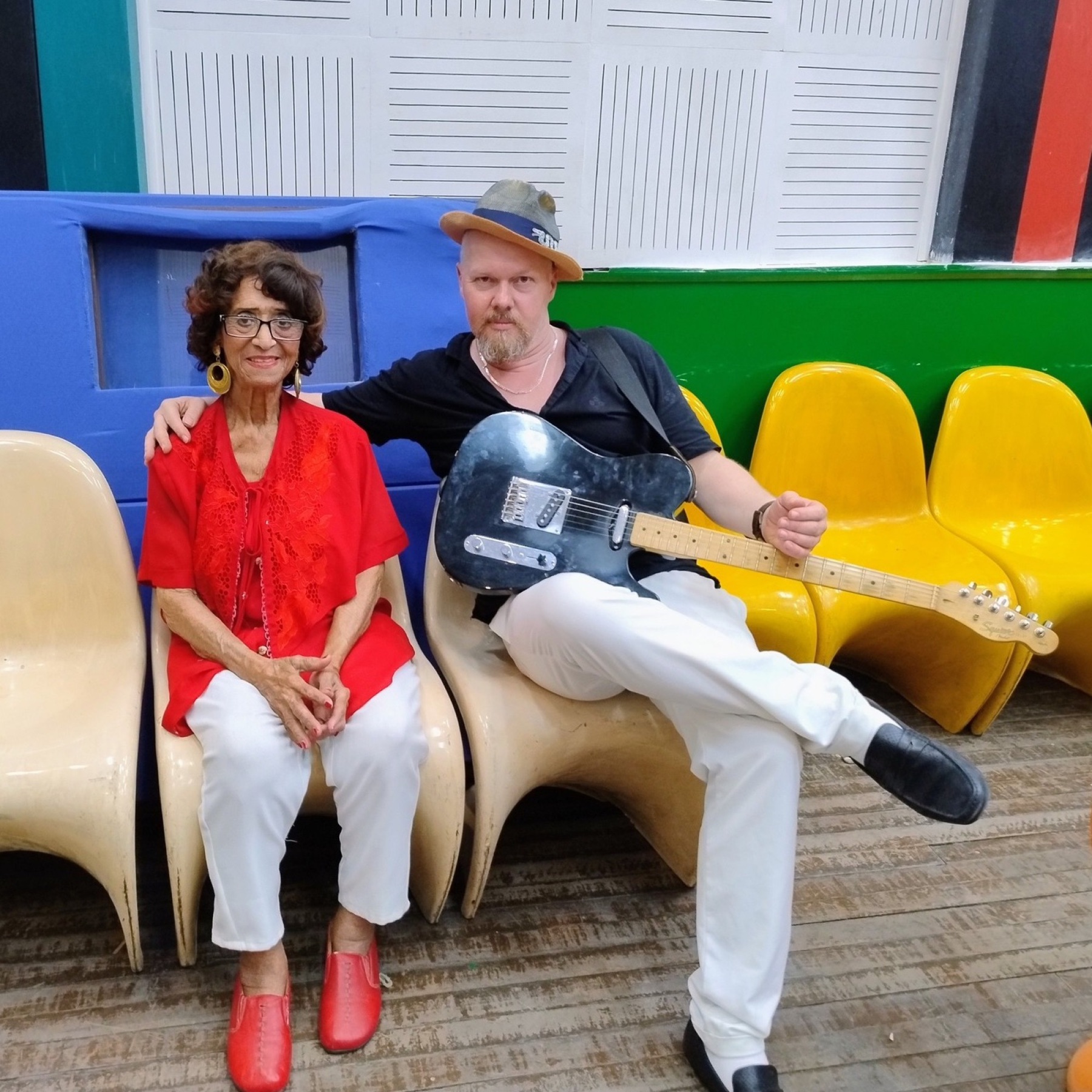
Bolerista of Santiago de Cuba
One of the great bolero singers of Santiago de Cuba, and one of the last defenders of the form in the city. Born Justina María Balbuena Céspedes in 1935, she sang from the age of nine and never left Santiago, because she was a santiaguera and that was the end of it. She sings on Porque and Si Pudiera Expresarte. She died in April 2025, aged ninety, which makes these among the last things she recorded.
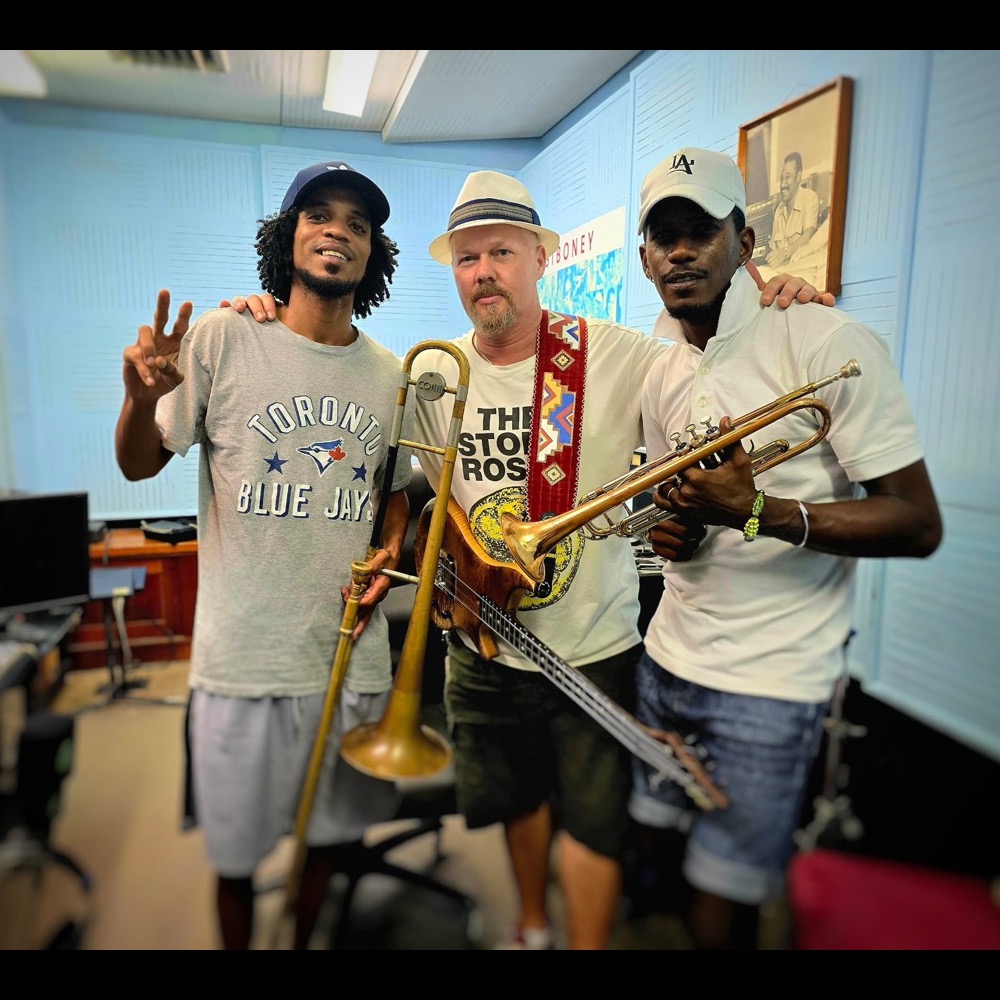
The horn section: trombone and trumpet
Damian Busqueta Mineto on trombone, a twice Grammy-winning producer, and Benilde Aysmel Guzmán Mariño on trumpet. Both were cut in Santiago after the rhythm section, which is why the record took as long as it did to finish. Horns are what separate a son band from a son septet, and they are the last thing to go on.
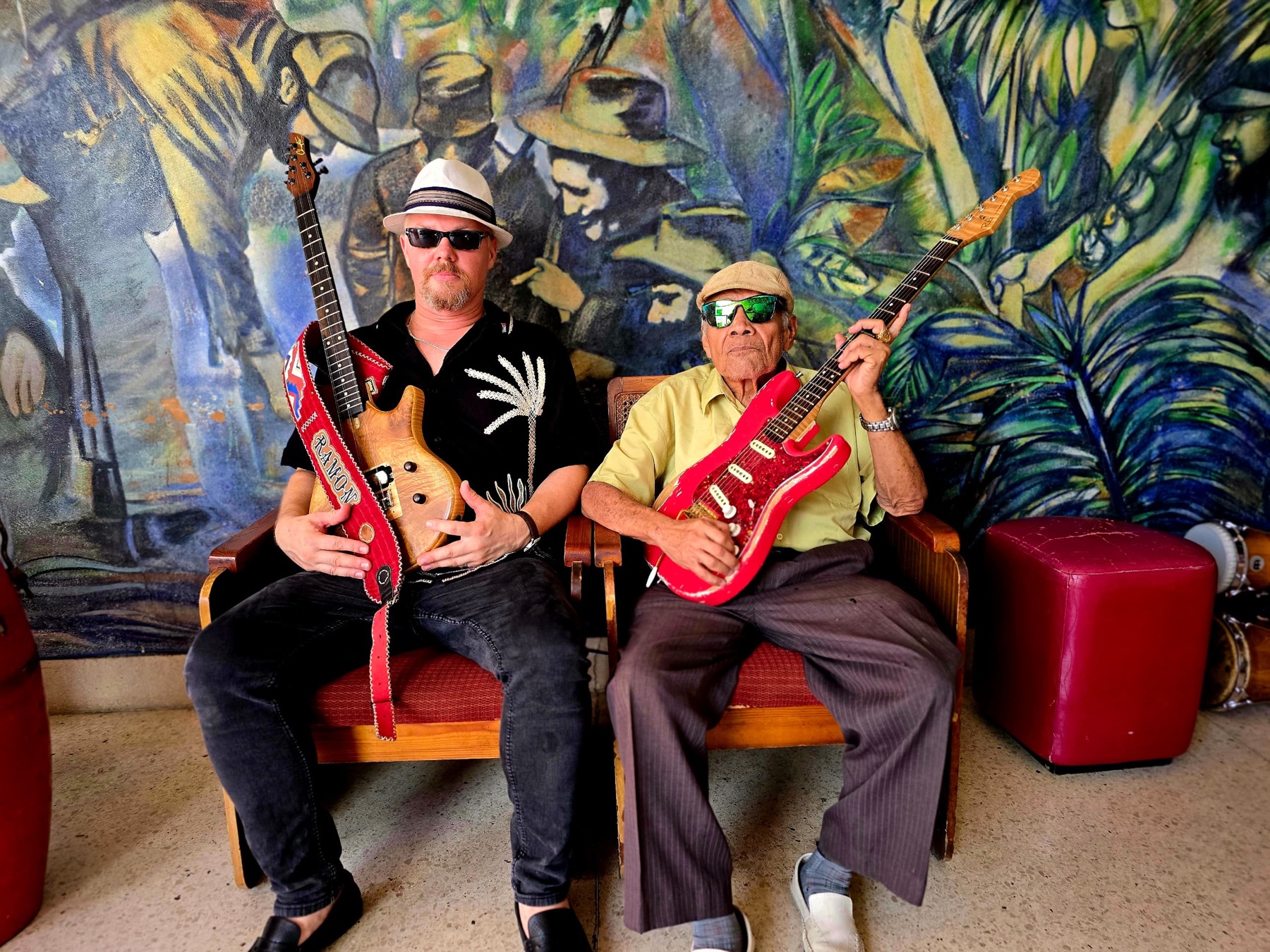
Trovador of Santiago de Cuba
Born in Santiago de Cuba in 1937 and, by most accounts, the last troubadour of the golden age of trova still playing. His father helped found the Casa de la Trova, where Alejandro still plays alongside Eliades Ochoa. He has been through Cuarteto Patria, Septeto Típico Oriental and Cuarteto Oriente, has written several hundred songs, and did not make a solo record under his own name until he was seventy-six. We are making one together.