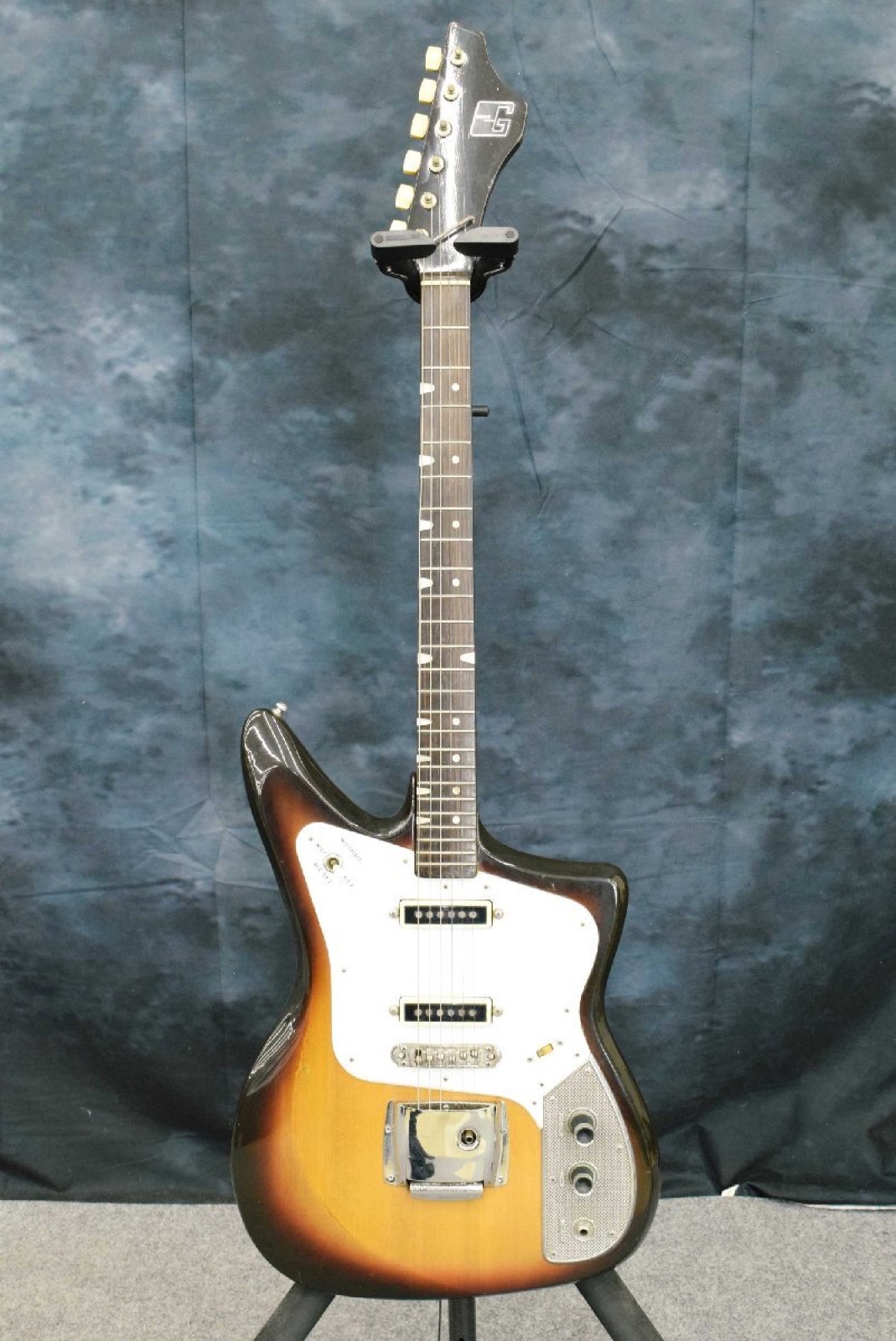
Guyatone LG-180T
The main guitar
The one that does most of the work. A 1960s Japanese offset with thin, wiry pickups that sit in a different place in a mix to anything American, which is exactly why the Cuban material works through it.
What I actually play, and what actually went down on the record. Guyatone LG-180T and LG-200T, a Coodercaster built for Ry Cooder’s gold foil and Valco sound, the Siewa Powersonic, a Victoria Reverberato and a Bell & Howell Filmosound. No endorsements, no pretending — if it is on here it is because I use it.
The main guitar
The one that does most of the work. A 1960s Japanese offset with thin, wiry pickups that sit in a different place in a mix to anything American, which is exactly why the Cuban material works through it.
The album cover guitar
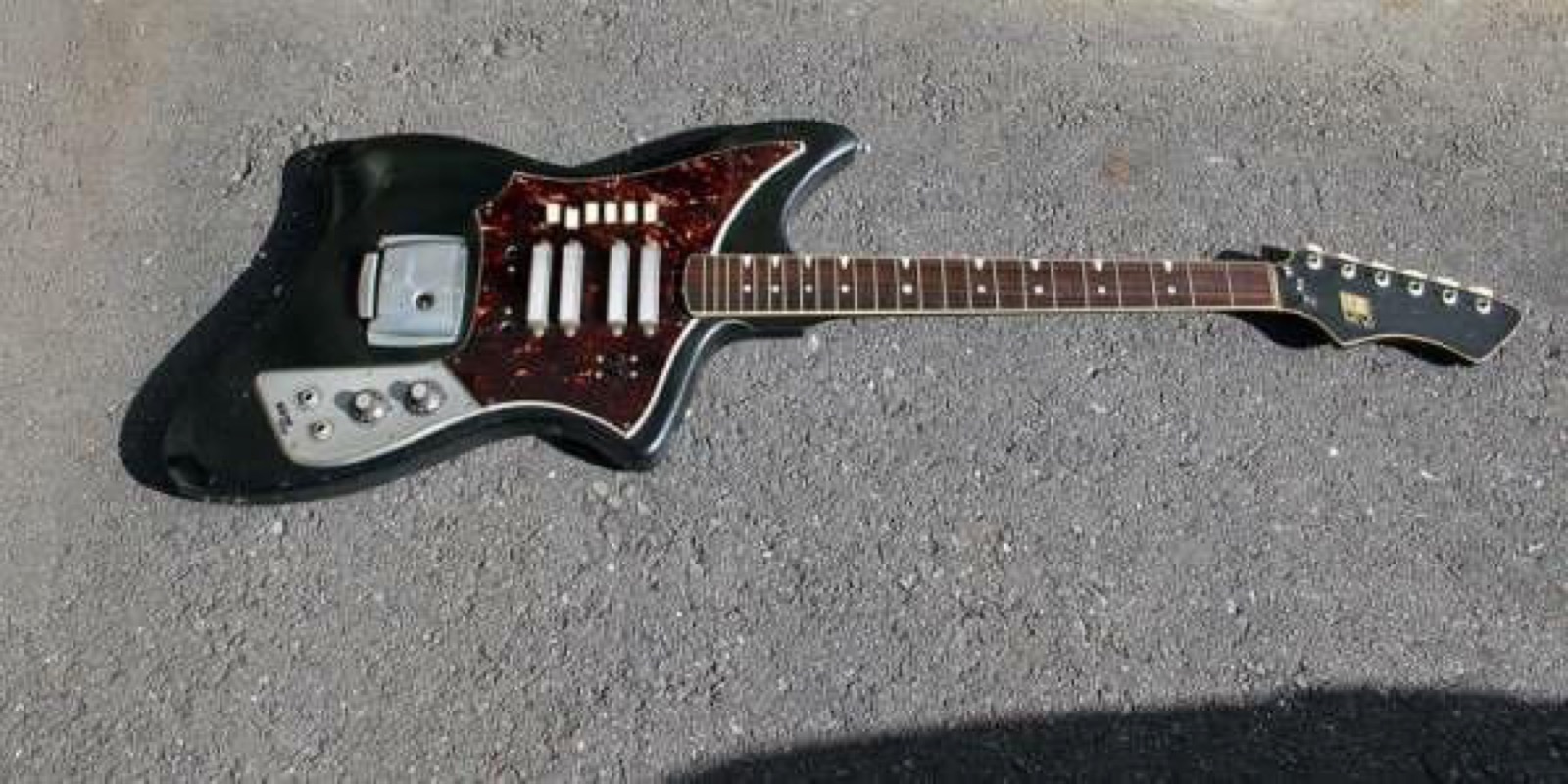
Bought out of Japan and heavier than it has any right to be. The pickups are twangy in a way that suits the Cuban material, so it does a few songs a night, for the sound and for the look of the thing. This is the guitar on the album cover.
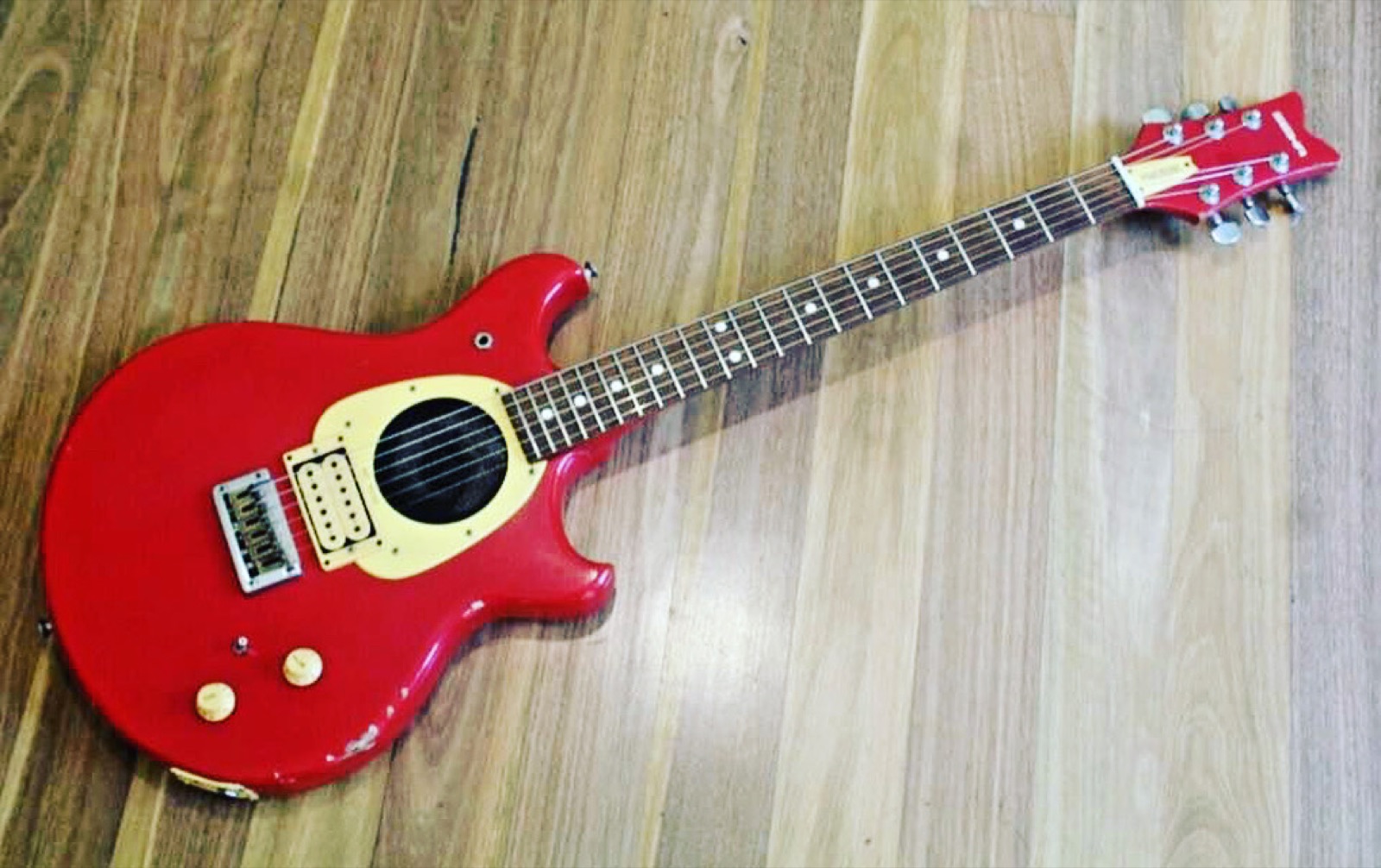
The Ali Farka Touré guitar
The model Ali Farka Touré played. I spent years on West African music before Cuba, and this is the guitar at the centre of it — a cheap, oddly-made thing that a great player turned into a sound nobody has managed to copy since. It is on the wall for good reason.
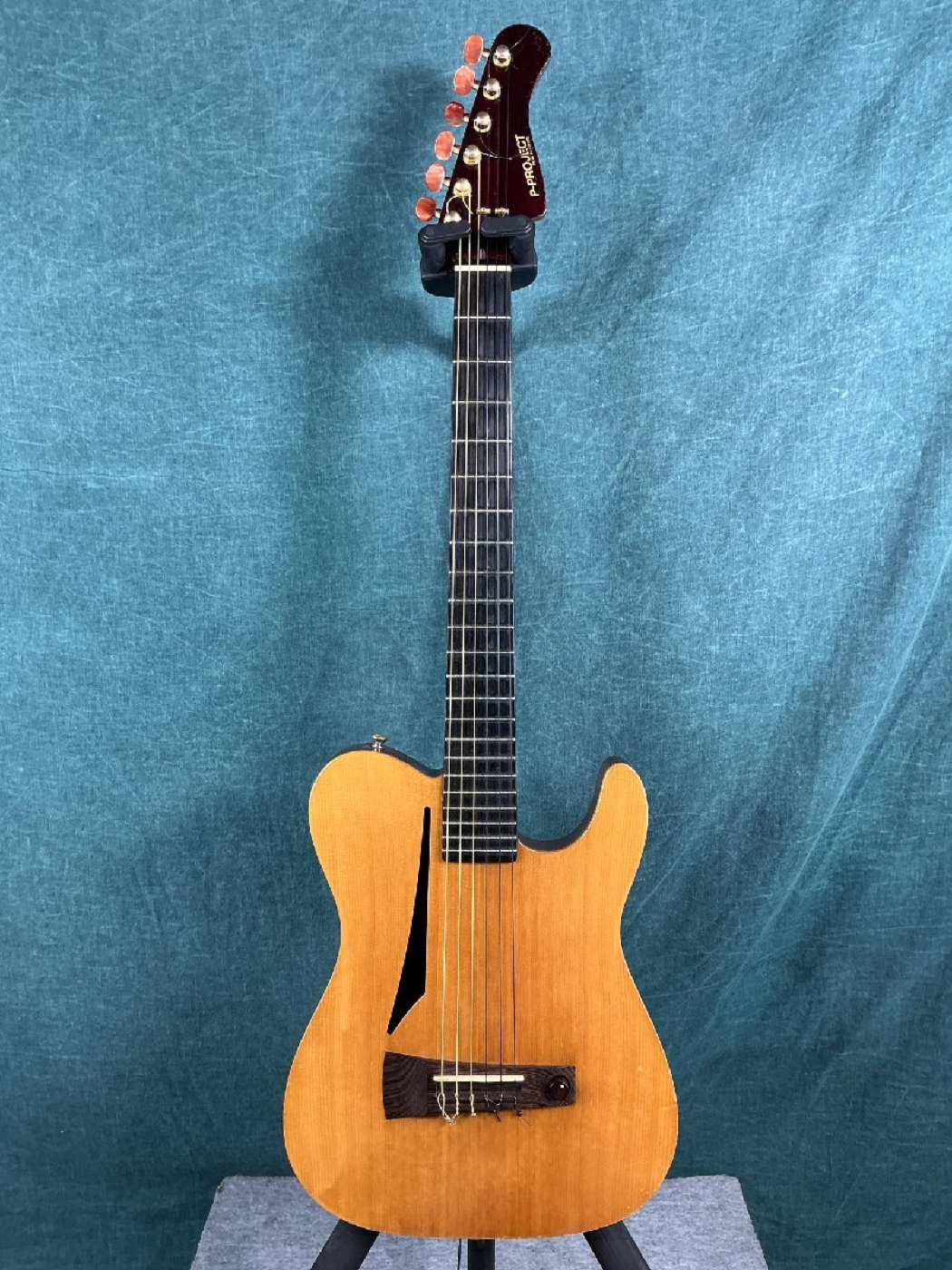
Nylon-string electric
A Japanese custom-shop nylon-string electric, built as Dominic Miller’s signature model and the guitar he became known for through his years with Sting in the nineties, including Ten Summoner’s Tales. I use it a lot with The Compadres on the folkloric son material, where nylon does something steel cannot.
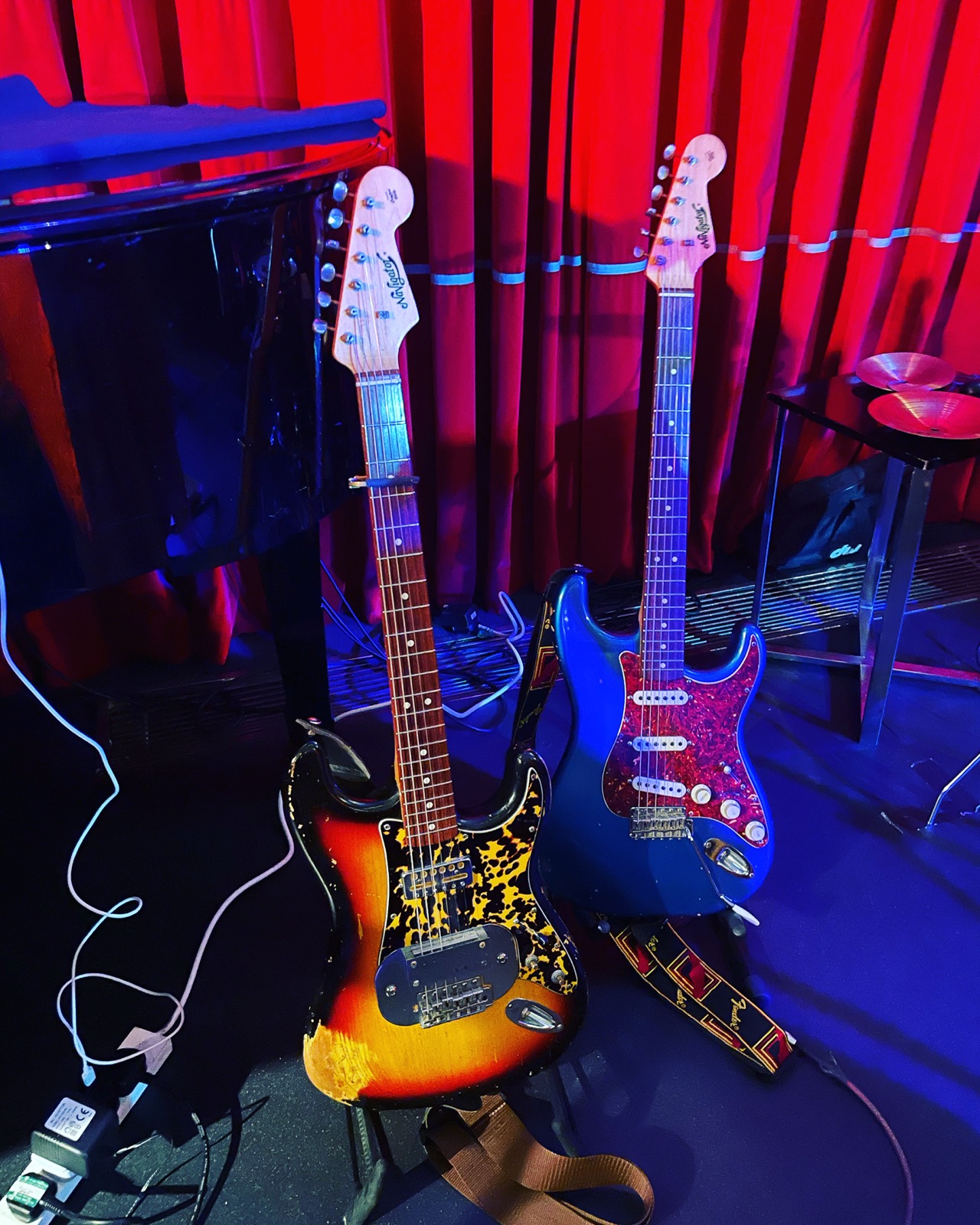
Original gold foil and Valco pickups
Built the way Ry Cooder’s is: a gold foil in the neck and a Valco lap steel pickup in the bridge, both original rather than reissued. Those two pickups are the sound on Mambo Sinuendo, which is the record that made an electric guitar in Cuban music thinkable in the first place. Owning the same parts is not the same as playing like him, but it does put you in the right room.
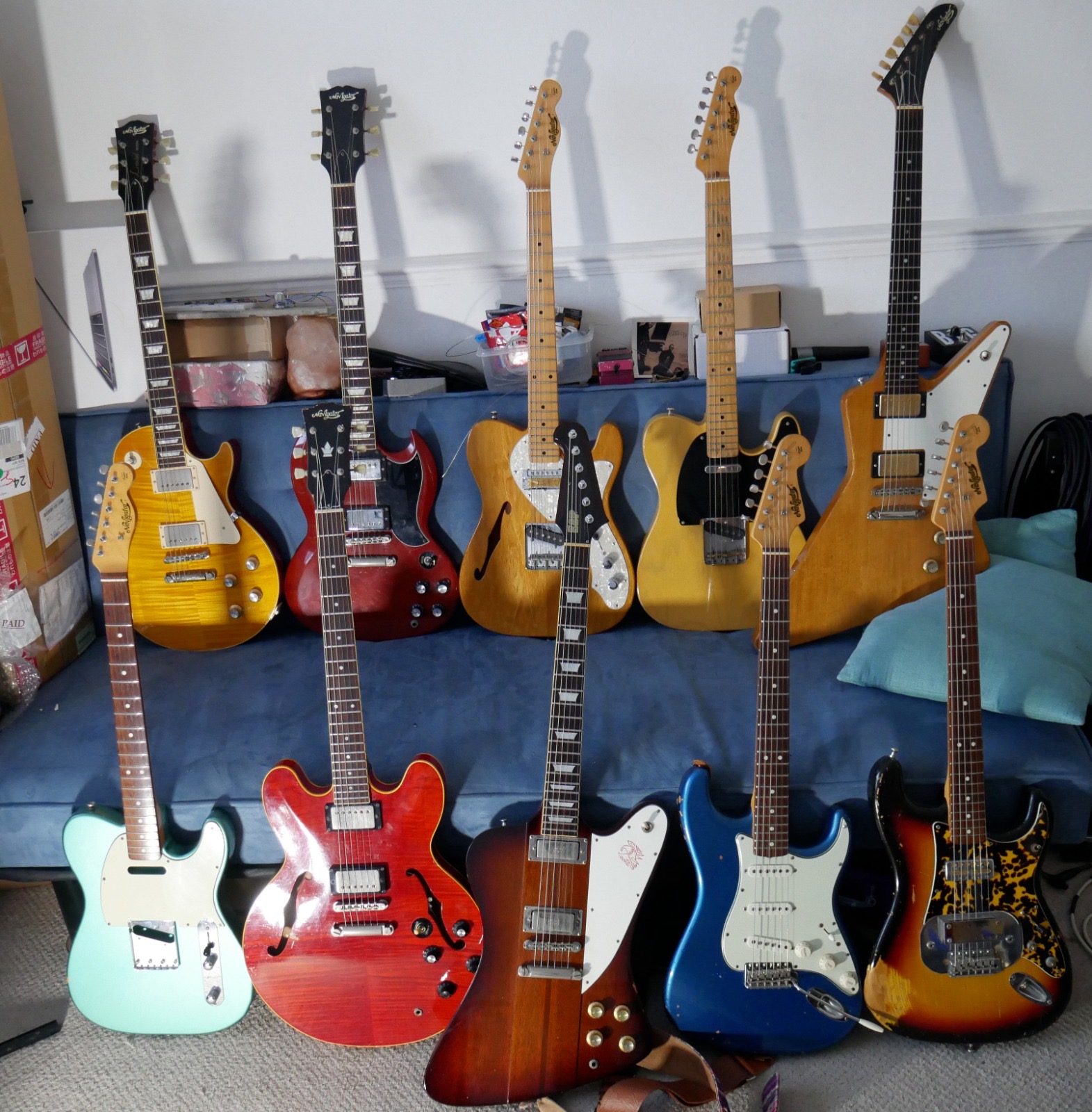
1975–2025
ESP’s Japanese line, first made in 1975. ESP decided to discontinue them in 2025, fifty years on. I have a lot of them, and I grab whichever one comes to hand.
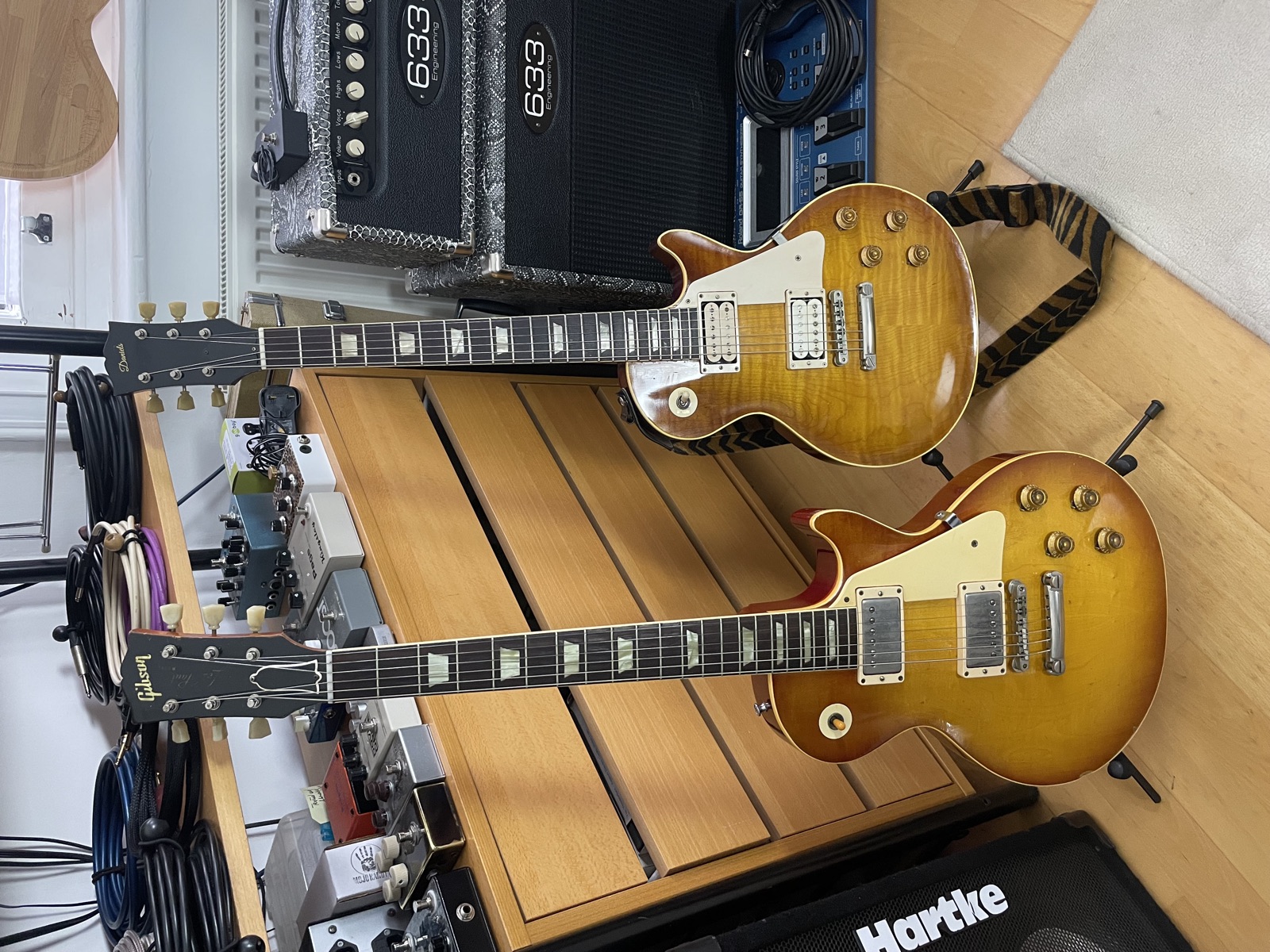
Built by Darren Horton
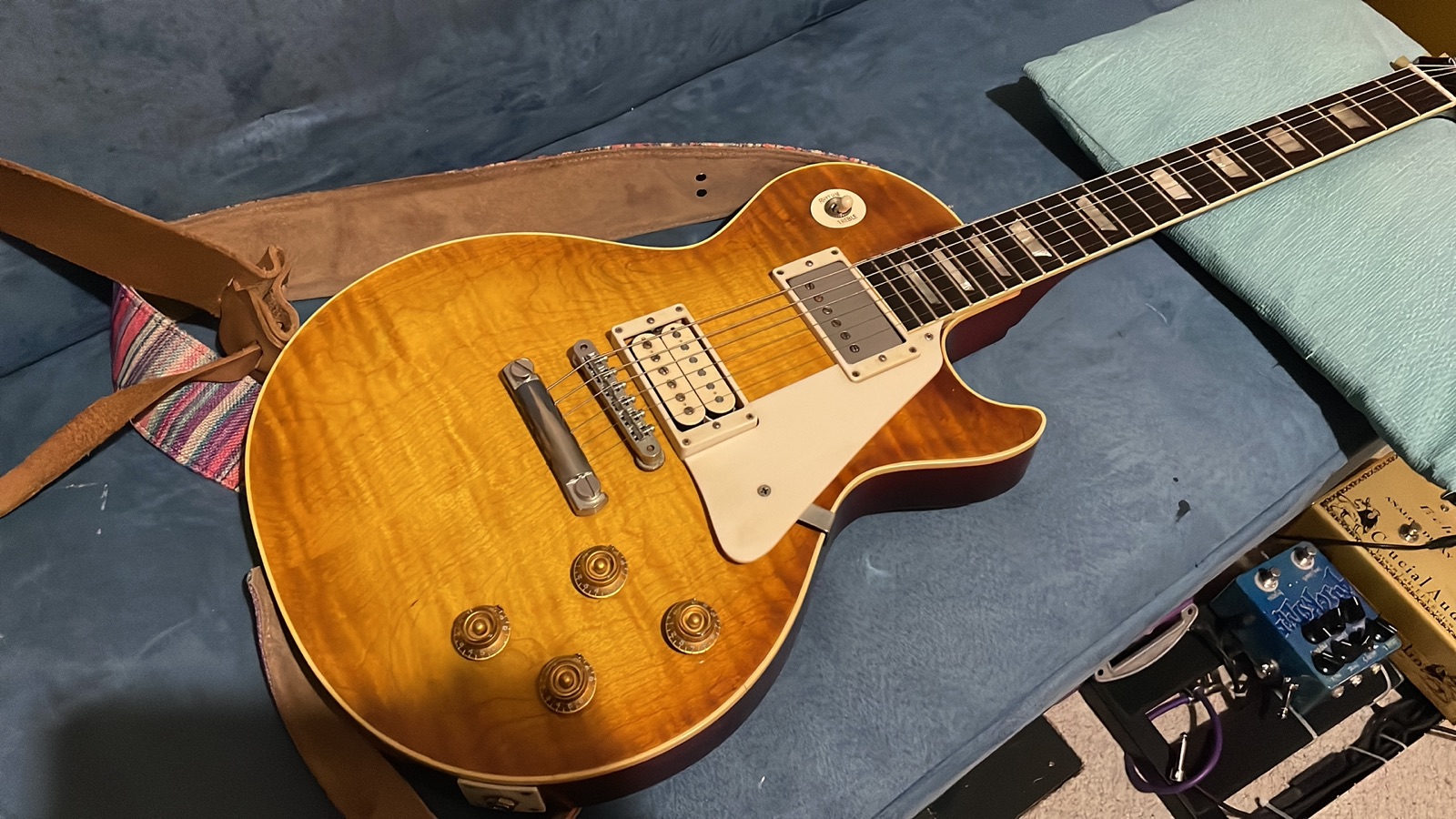
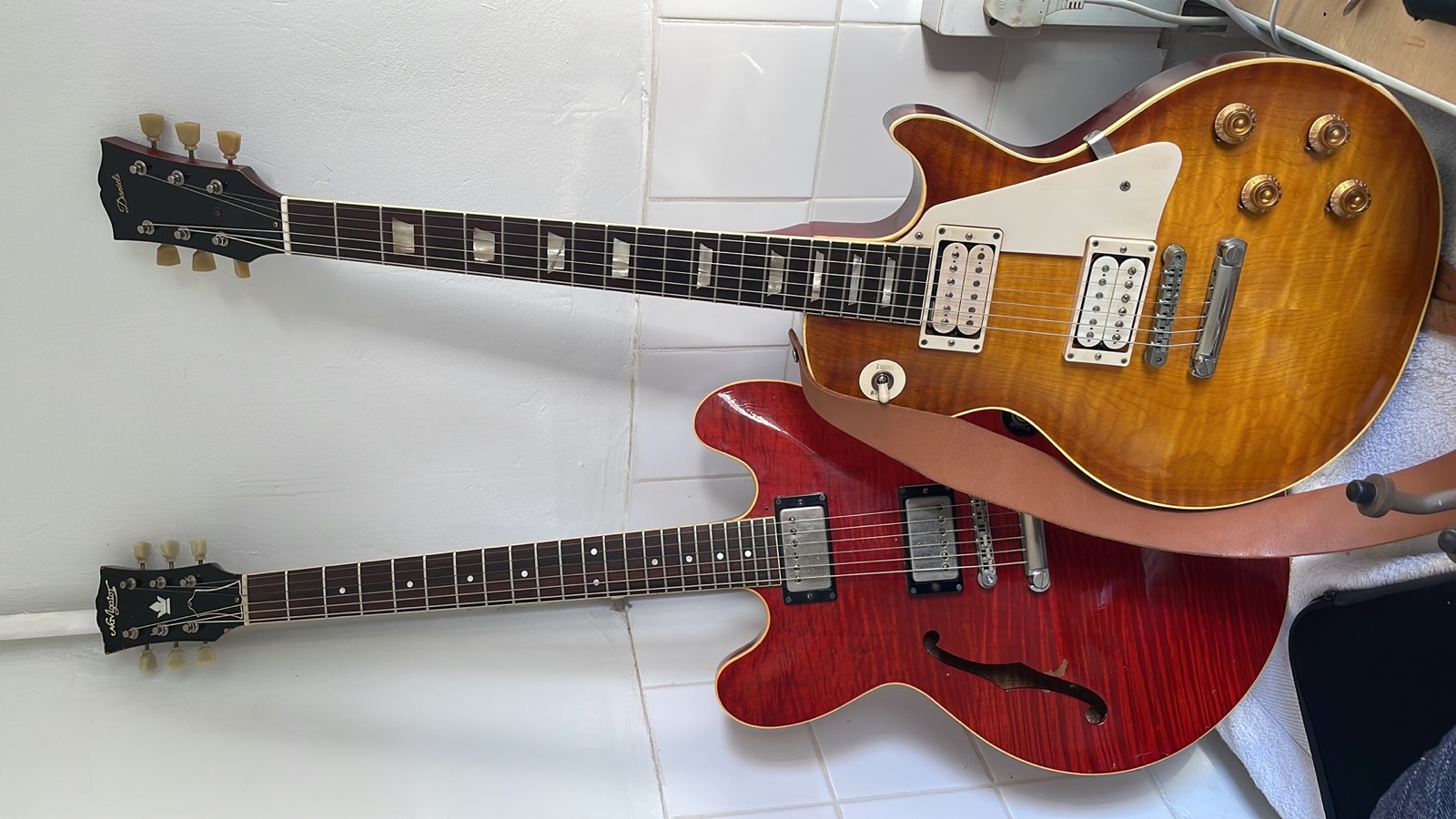
A Les Paul replica built by Darren Horton at Daniels Guitars, and as good as a real ’59 — I have played enough of both to say that and mean it. The photograph is a genuine 1958 belonging to Bob Wootten, with mine standing behind it, which is about the fairest test a replica can be put to. One of the guitars I lean on most with The Compadres.
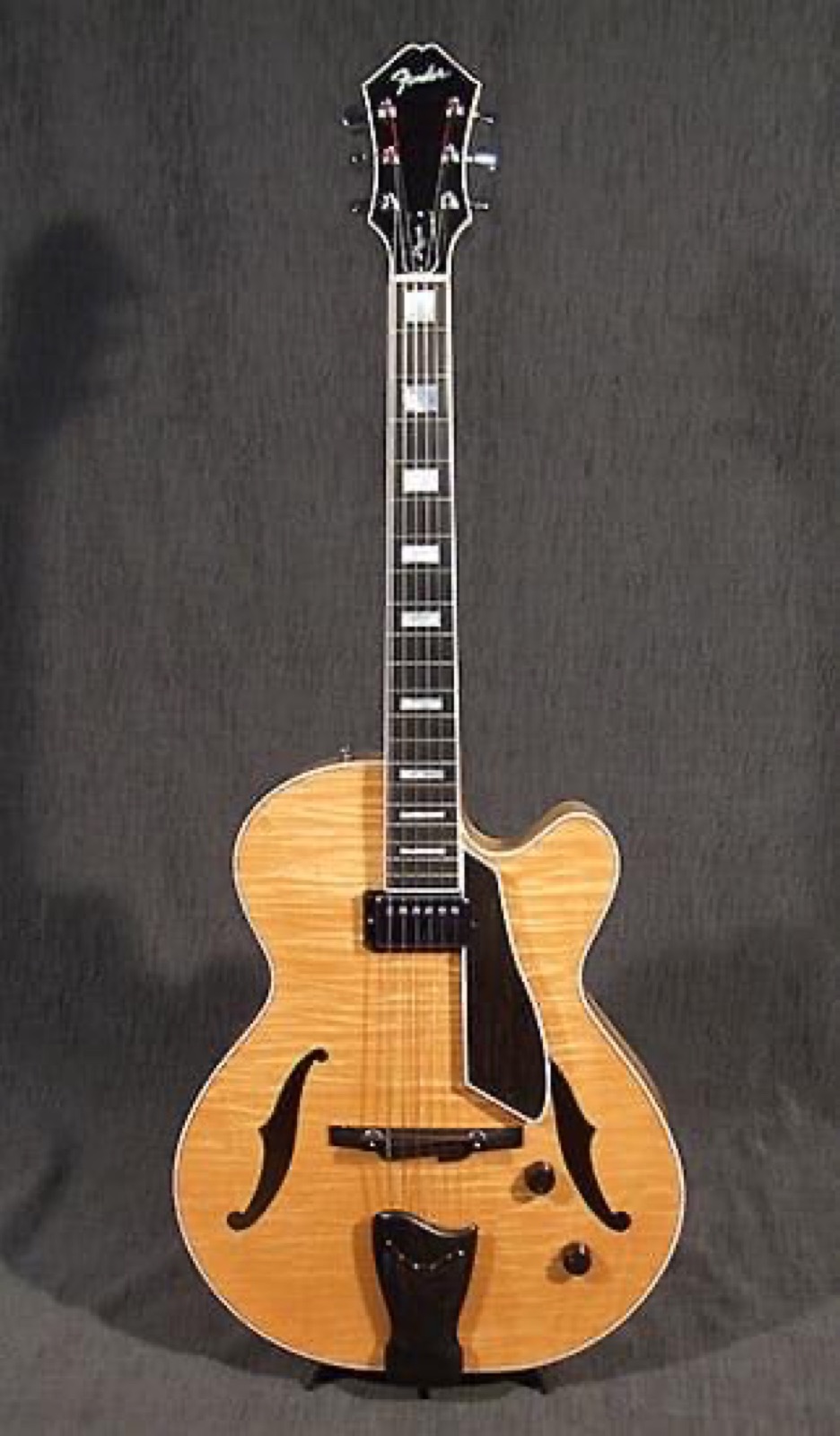
Masterbuilt by Stephen Stern
A Fender Custom Shop masterbuilt archtop, made by Stephen Stern, who went on to run the Gretsch custom shop and has since retired. Masterbuilt means one person built the whole guitar rather than a line assembling it, and on an archtop that is the difference between an instrument and a piece of furniture.
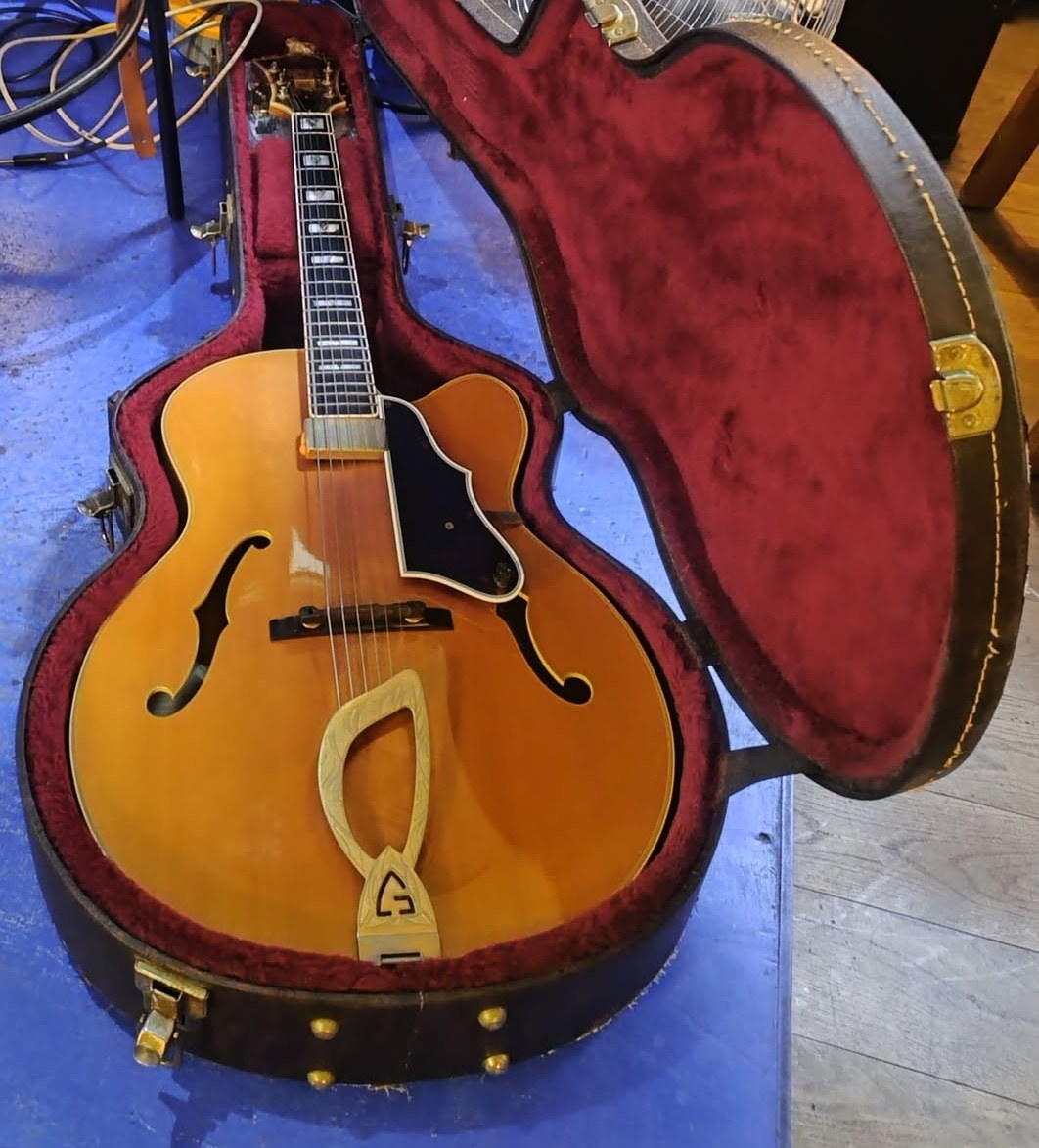
1994 · Kent Armstrong mini humbucker
Guild’s flagship archtop, built in Westerly, Rhode Island, in 1994. The pickguard is a replacement. The pickup cover is the original, but what sits inside it now is a Kent Armstrong mini humbucker. It still floats off the end of the neck rather than being set into the top, so the carved top is left free to ring.
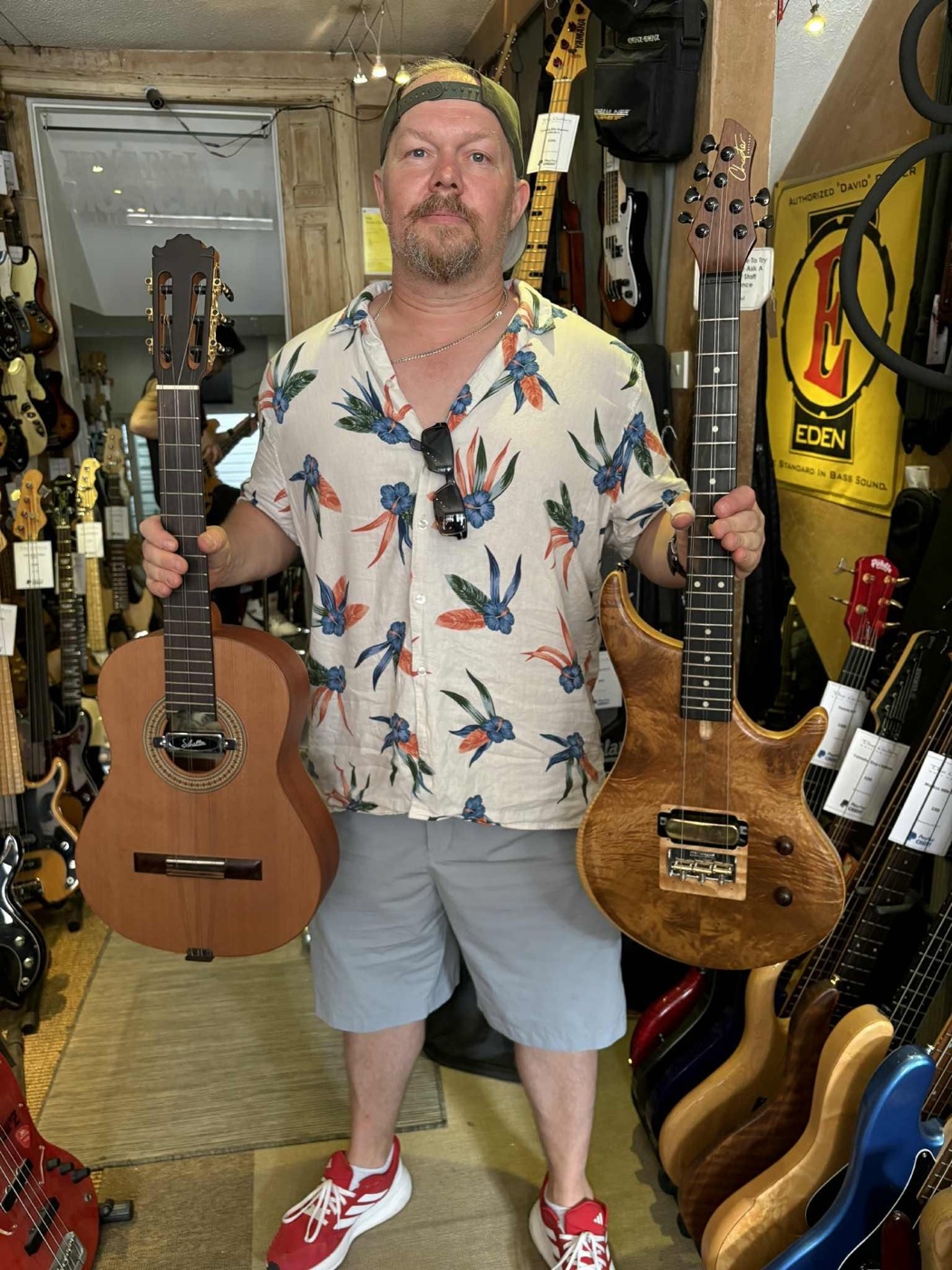
Acoustic and electric
I play both the acoustic tres and the electric. The electric one was custom made for me by Chapter Guitars, and it started life as a guitar: modelled on the Siewa Powersonic that Ali Farka Touré played, and built mostly from African woods. It was converted into a tres later. So the instrument I play the Cuban material on is a West African guitar underneath, which is either an accident or the whole story depending on how you look at it. The tres is at the centre of son, and the reason the guitar has to sit where it sits in this band.
What stays on the island
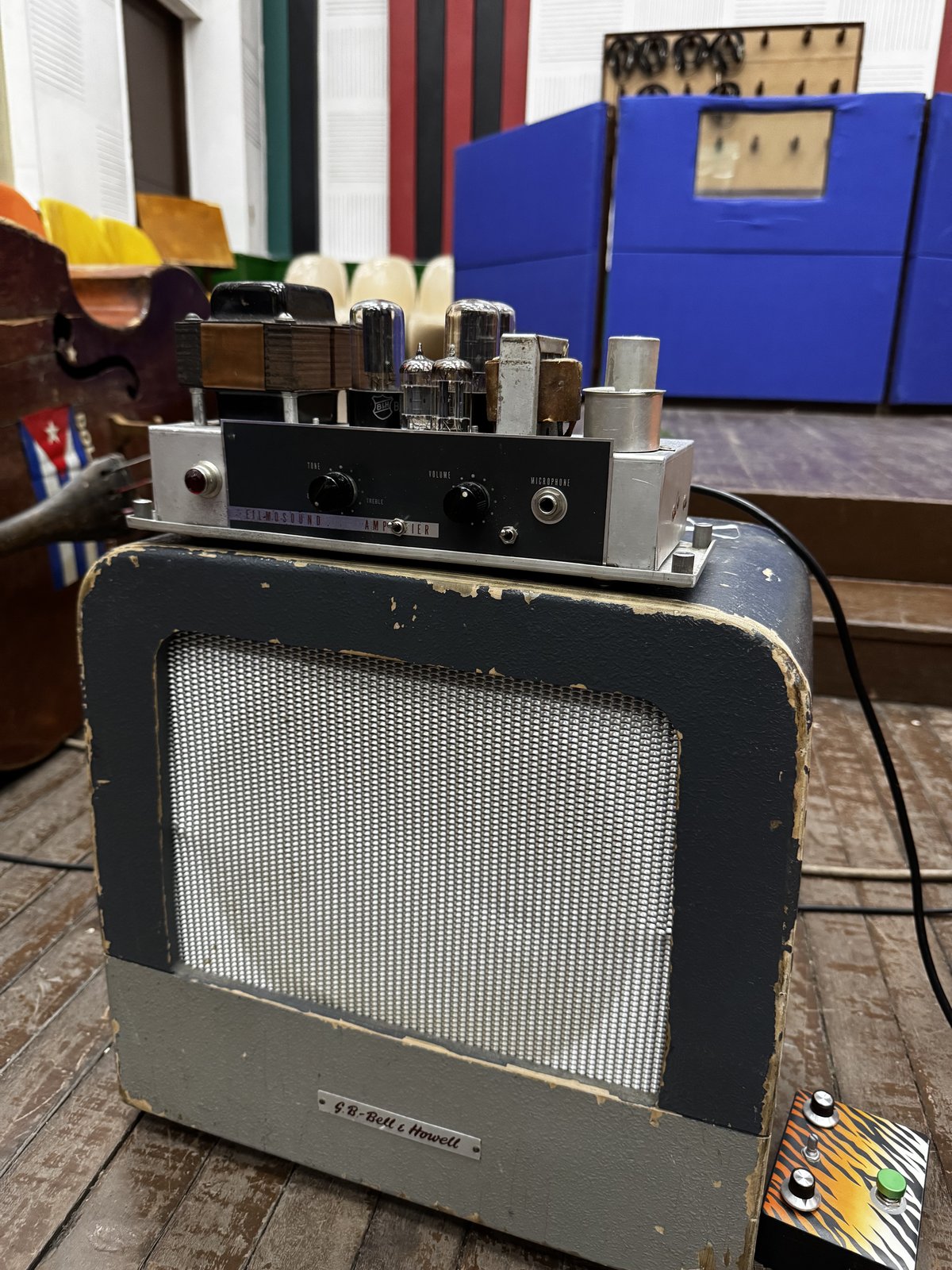
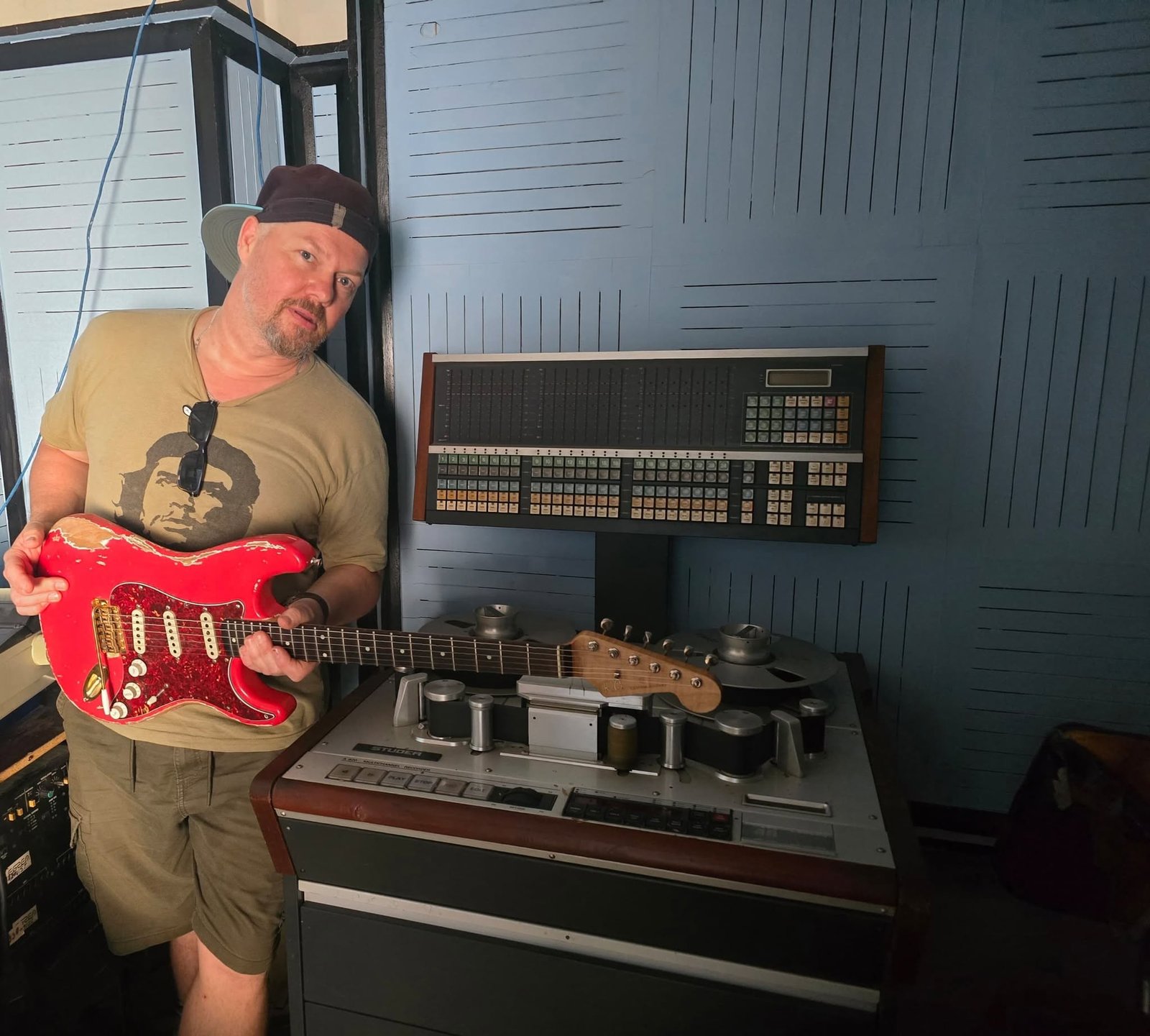
In Cuba I play through a 10-inch Eminence Blue in a Hughes & Kettner cab and a 12-inch Jensen ceramic in a Filmosound cab. The Filmosound amplifier runs at 110 volts, which is what Cuba runs on, so it works as long as the electricity is on. One Filmosound lives in Cuba, and the second comes back to the UK with me every time. The red Strat is one of the two electric guitars I keep there. It has Alan Dingwall pickups, a Brazilian rosewood fingerboard, Jim Dunlop 6100 frets and a reverse tremolo, like Jimi Hendrix’s and Stevie Ray Vaughan’s. Alejandro Almenares often plays it, and he really likes it.
Two amps, wet and dry
Two amplifiers running at once, one clean and dry and one carrying the effects, split with the WAU Goosemaster. It is more to carry, but two amps do something one cannot: the sound widens and starts to move on its own, which is exactly what the Cuban material wants under it. For live playing and recording the speakers are 1990s Fender Eminence Blue 10-inches and a Celestion 100 alnico 12-inch. Live, I also use old 15-inch Rola speakers and a 10-inch ceramic Revere.
Modified by Bill Krinard of Two-Rock
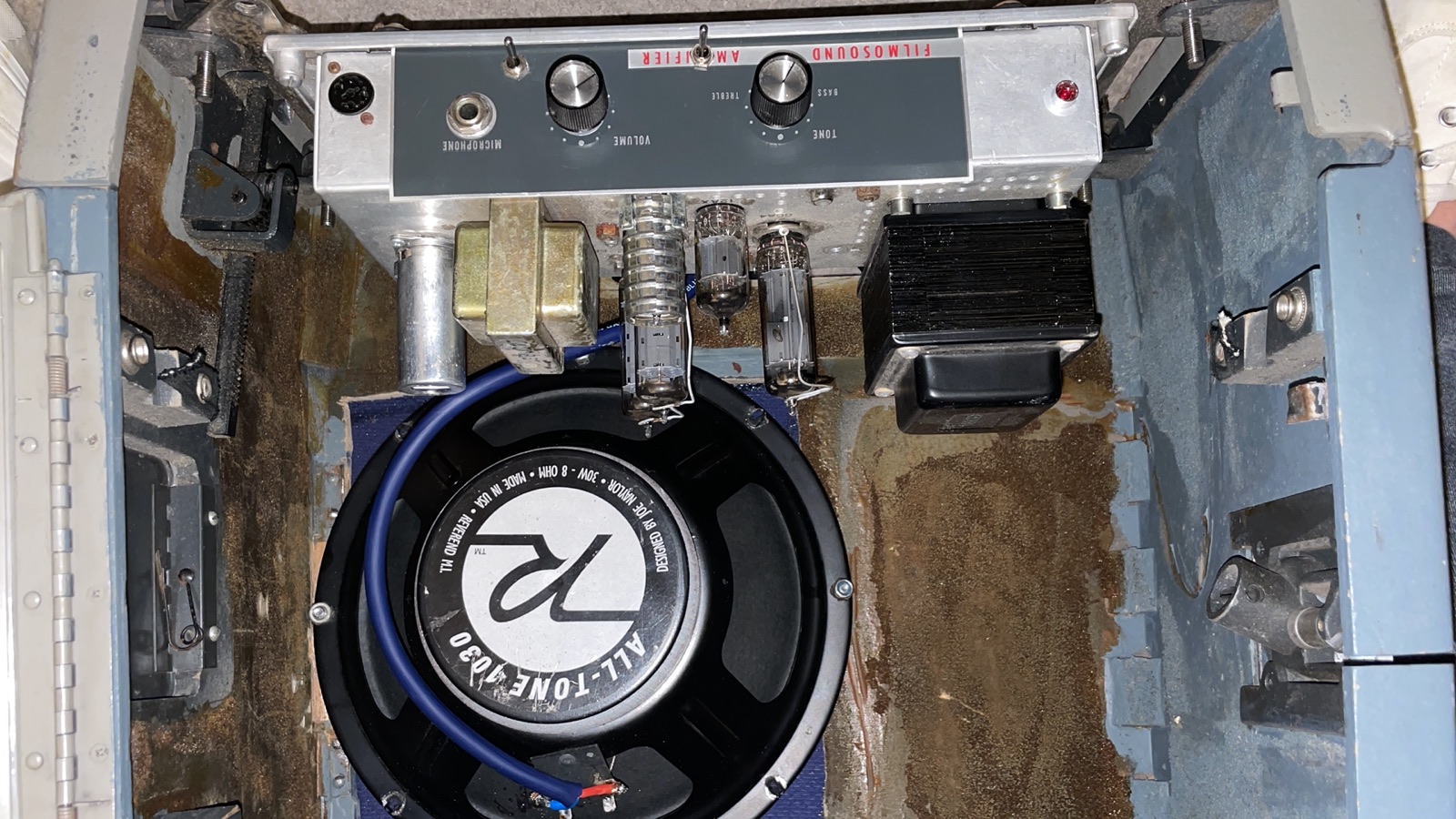
A 1950s cinema projector amplifier, converted for guitar by Bill Krinard — the man behind Two-Rock, and the person most responsible for these projector amps becoming a thing players chase at all. They were built to fill a school hall with a soundtrack, not to be played, and they have a midrange no guitar amp of the period was designed to make. It is the reason the electric guitar sits where it does against the tres.
Built by WAU Engineering, gigged for a year
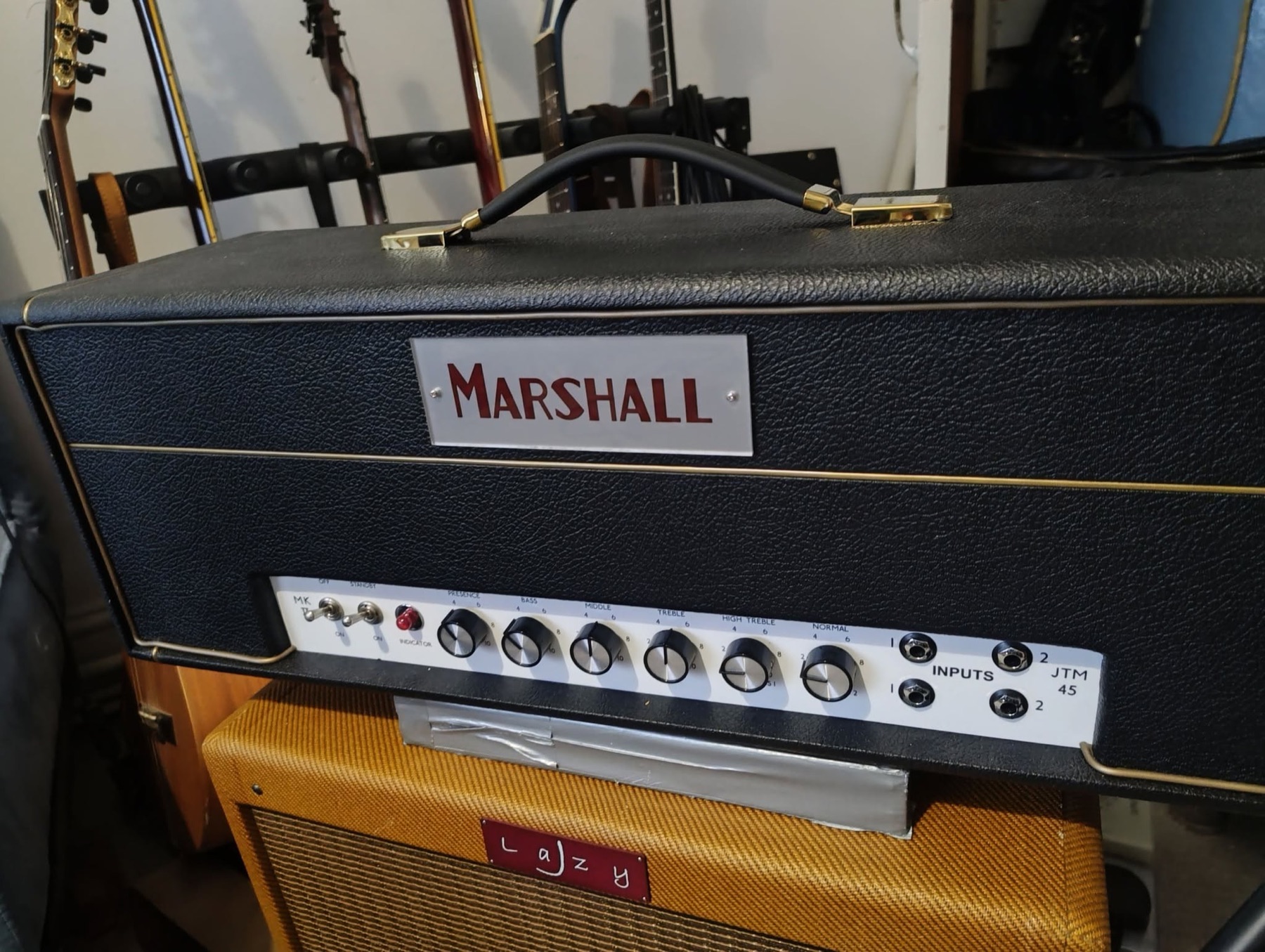
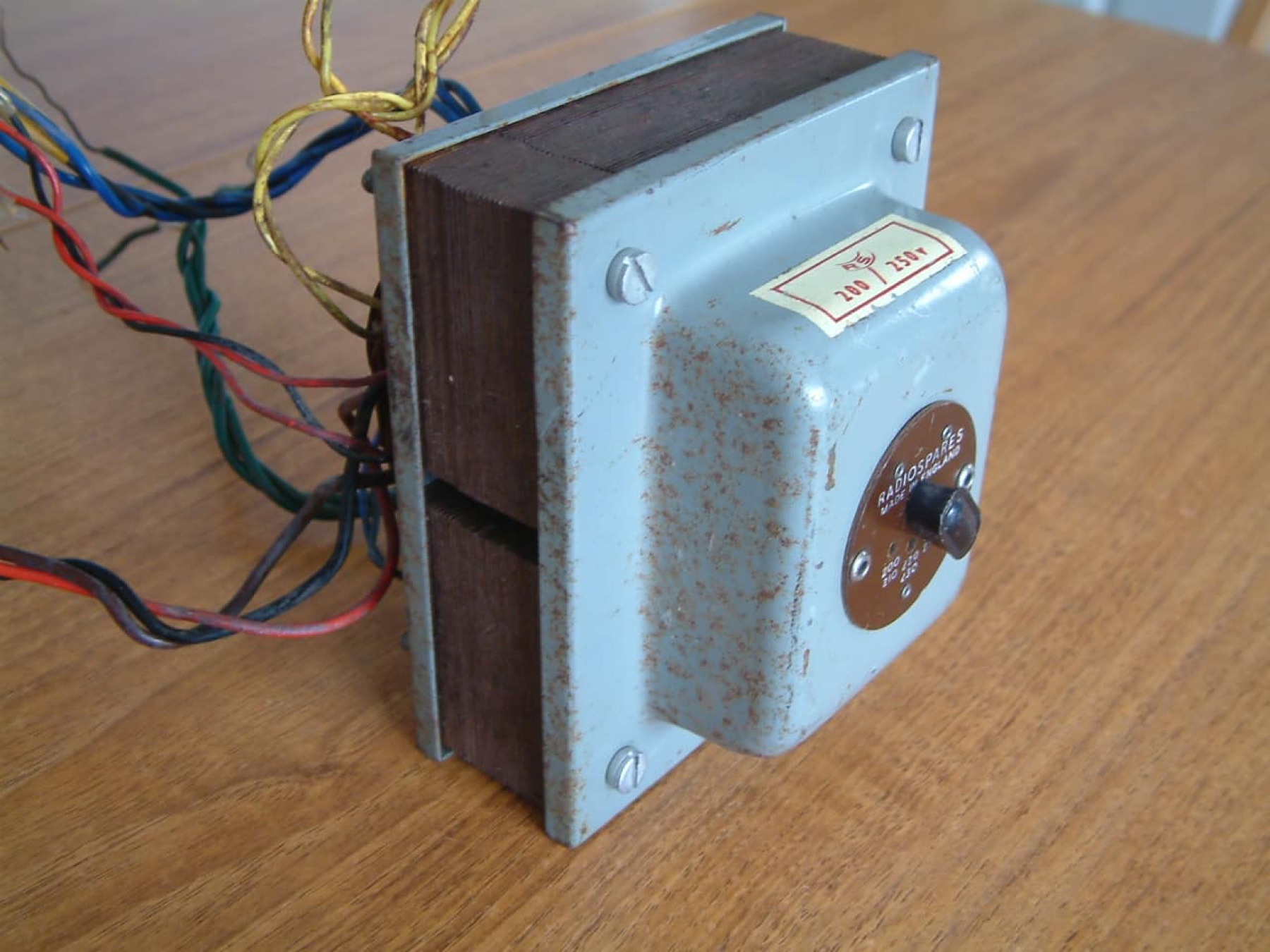
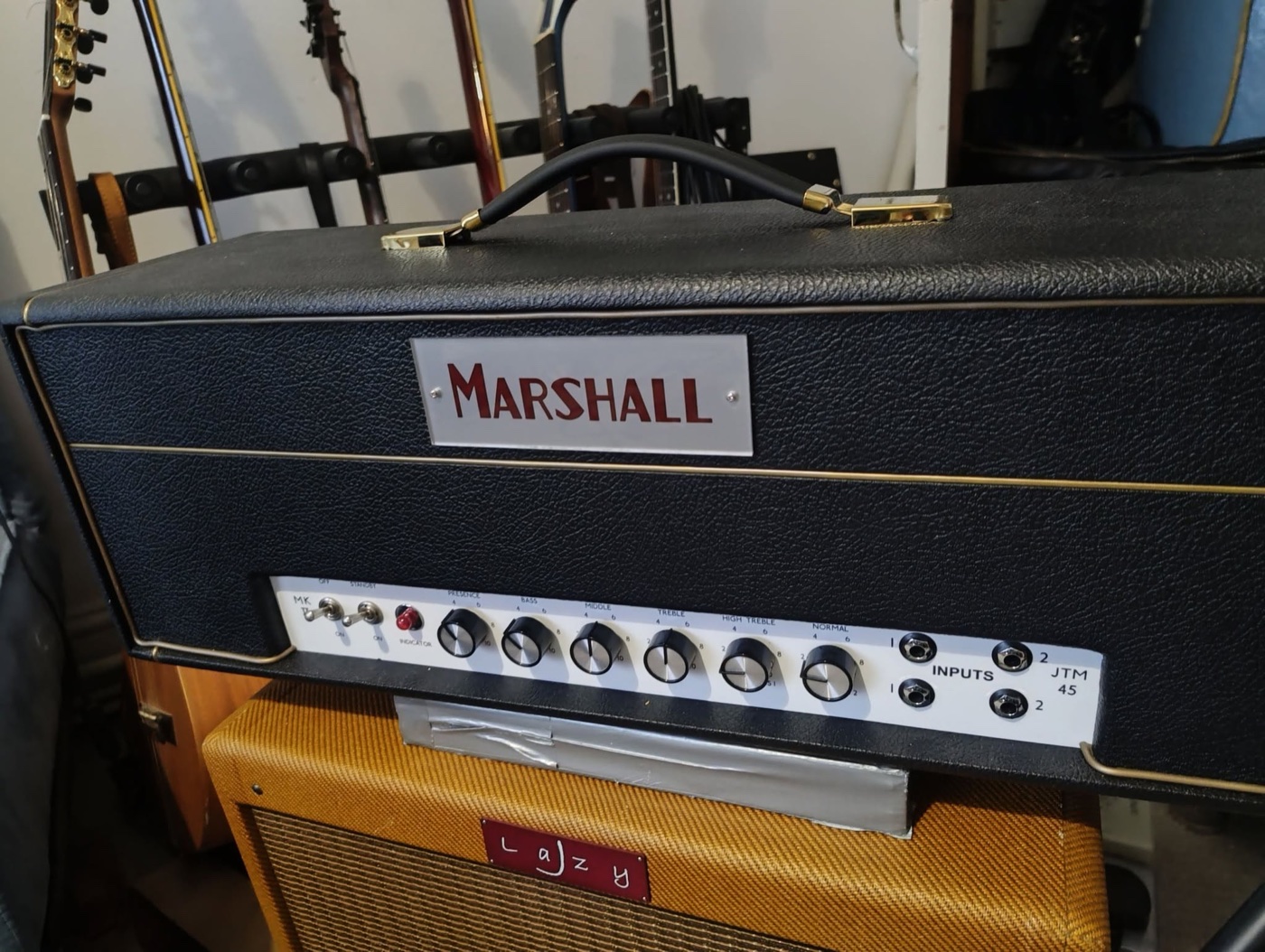
Put together by WAU Engineering — the same people behind the Goosemaster — using all original 1960s Radiospares parts rather than reproductions. It is a working amplifier that has been out on gigs for the past year, not a project sitting in a corner. That pair of transformers is most of why a JTM45 sounds like a JTM45, and it is the part everybody economises on.
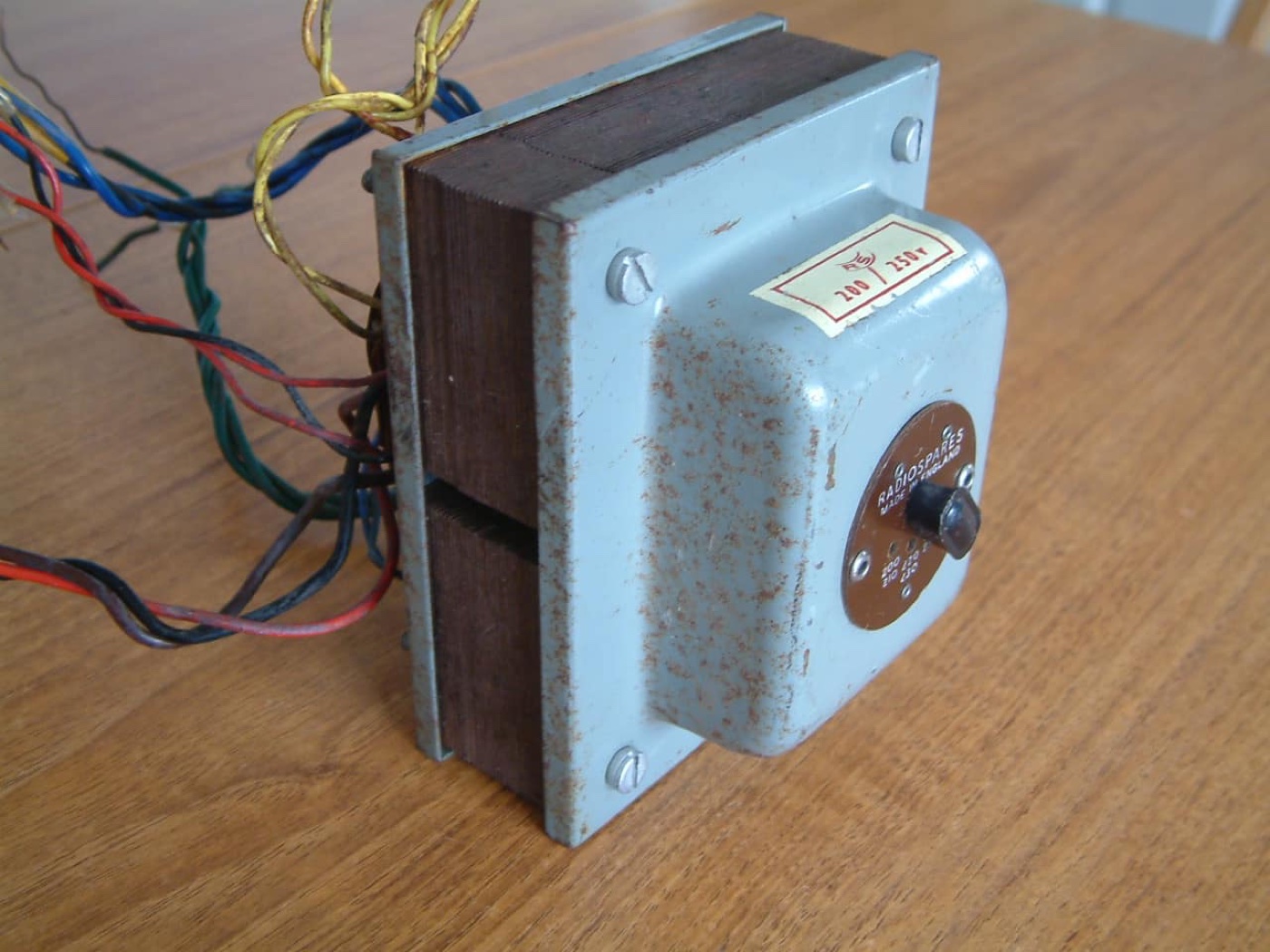
In build
Another one going together now, again on original Radiospares transformers. Finding a matched pair of originals is the whole job; the rest of a JTM45 is a weekend.
Two 1x12s, Celestion loaded
A pair of Lazy J one-by-twelves with Celestion twelves in them. Two small cabinets rather than one big one, which is what makes the wet and dry sides sit either side of you instead of on top of each other.
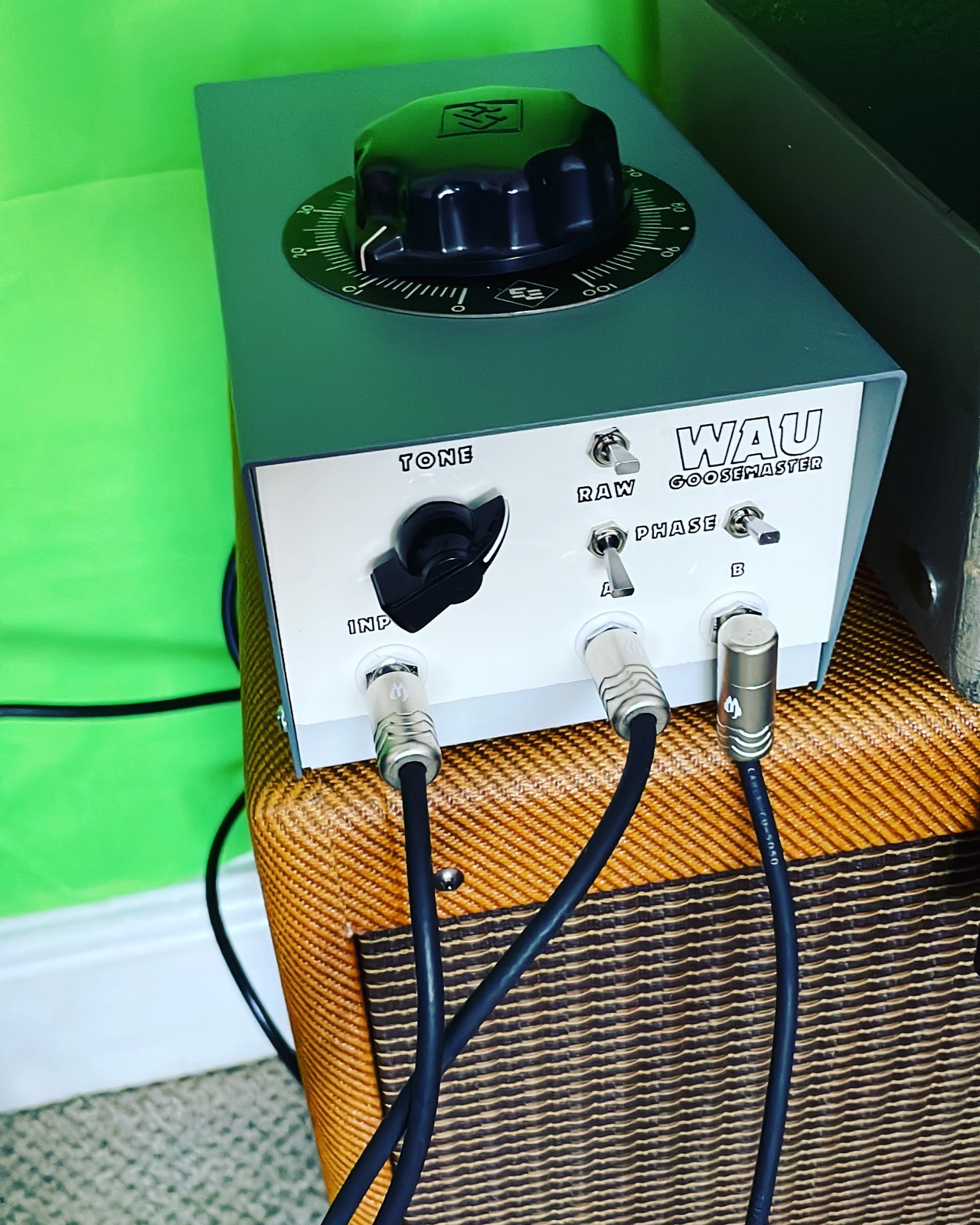
Amp splitter
Not an amplifier but a splitter, built by WAU as a clone of the Green Man, the box Ry Cooder used to drive more than one amp at once. It is what feeds the two amps. Cooder and Manuel Galbán are a large part of why an electric guitar in Cuban music is even an idea, so using his splitter to do it is not an accident.
Thirty built by hand, manufacture next
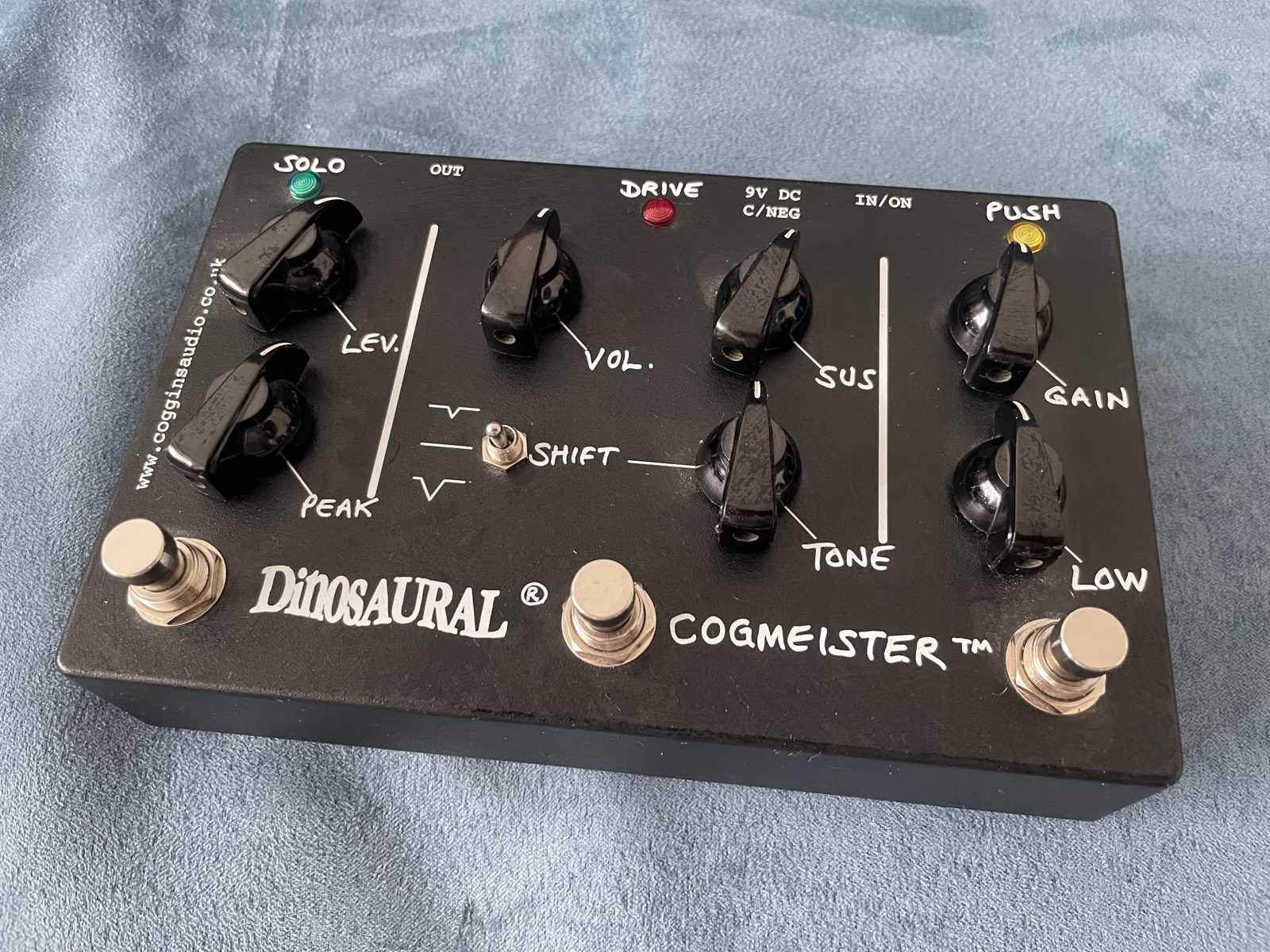
A heavily modified overdrive, built for Stevie Ray Vaughan tones with a Strat. I have built about thirty of these, hand-wired on turret boards, and they are going into proper manufacture now. Rick Vito plays one. There is a page about it and the other two.
Read more →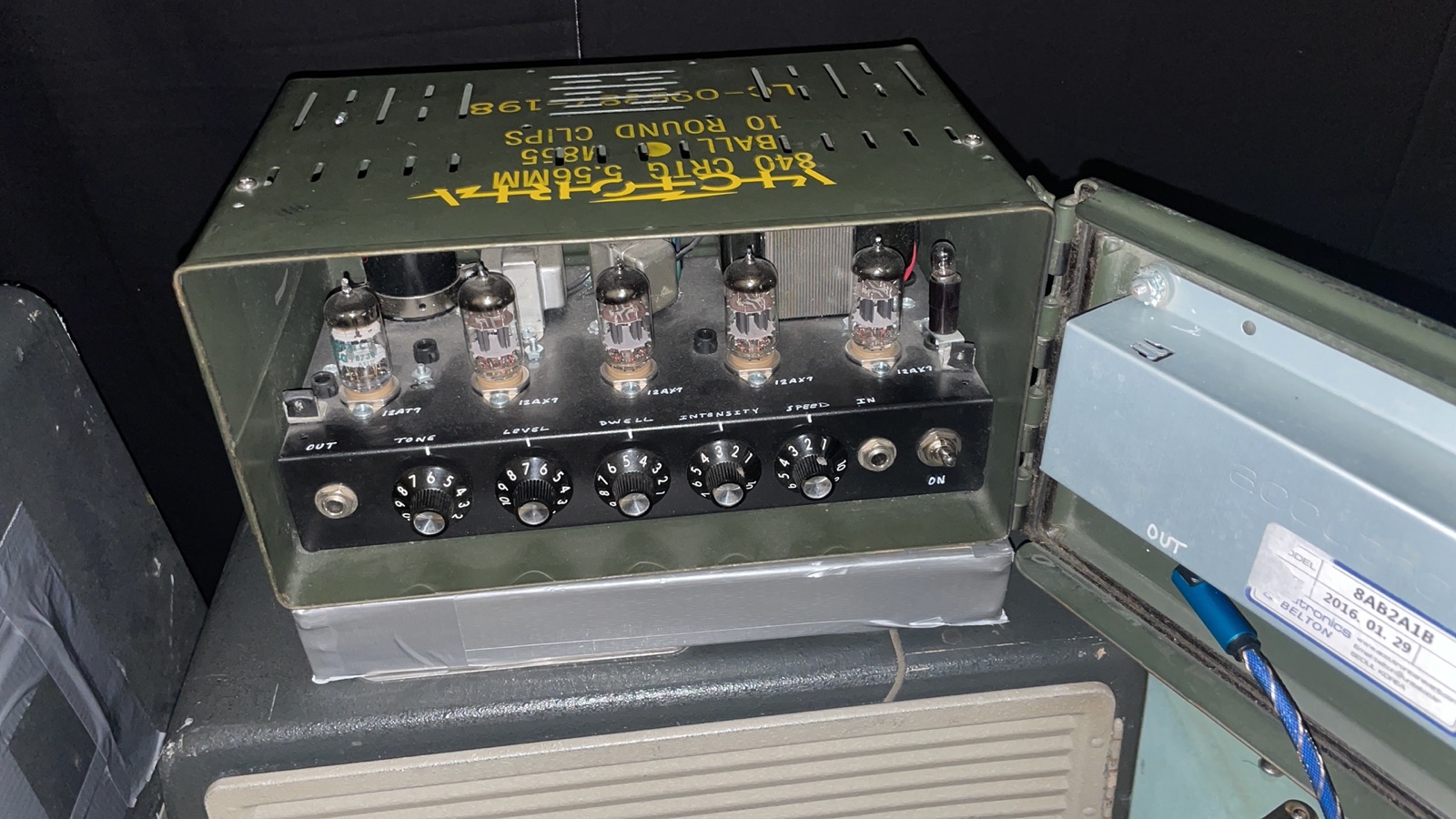
Essential to the sound
A hand-wired valve reverb and vibrato unit: the reverb on the Fender 6G15 layout, and the vibrato taken from a ’63 brownface Concert, which is a true pitch-shifting harmonic vibrato rather than a volume tremolo. That is the difference. A tremolo pulses; this one bends, and it is what makes the guitar shimmer against the tres. Essential to The Compadres sound, and the most labour-intensive thing Victoria build.
Mine
Germanium rather than silicon, which is the whole point: it cleans up when you roll the guitar volume back instead of just getting quieter, so one pedal covers a lot of ground without touching it between songs.
Mine
Essentially a TS-10 with modifications of my own choosing, built to sit better in front of the Filmosound than the original does. The Texas Flood is not a one-off; this and the fuzz came first.
Read more →Mine
One knob, and the knob is volume. It is the boost I use for slide and for the Guyatones, where the job is a push into the front of the amp and nothing else.
Read more →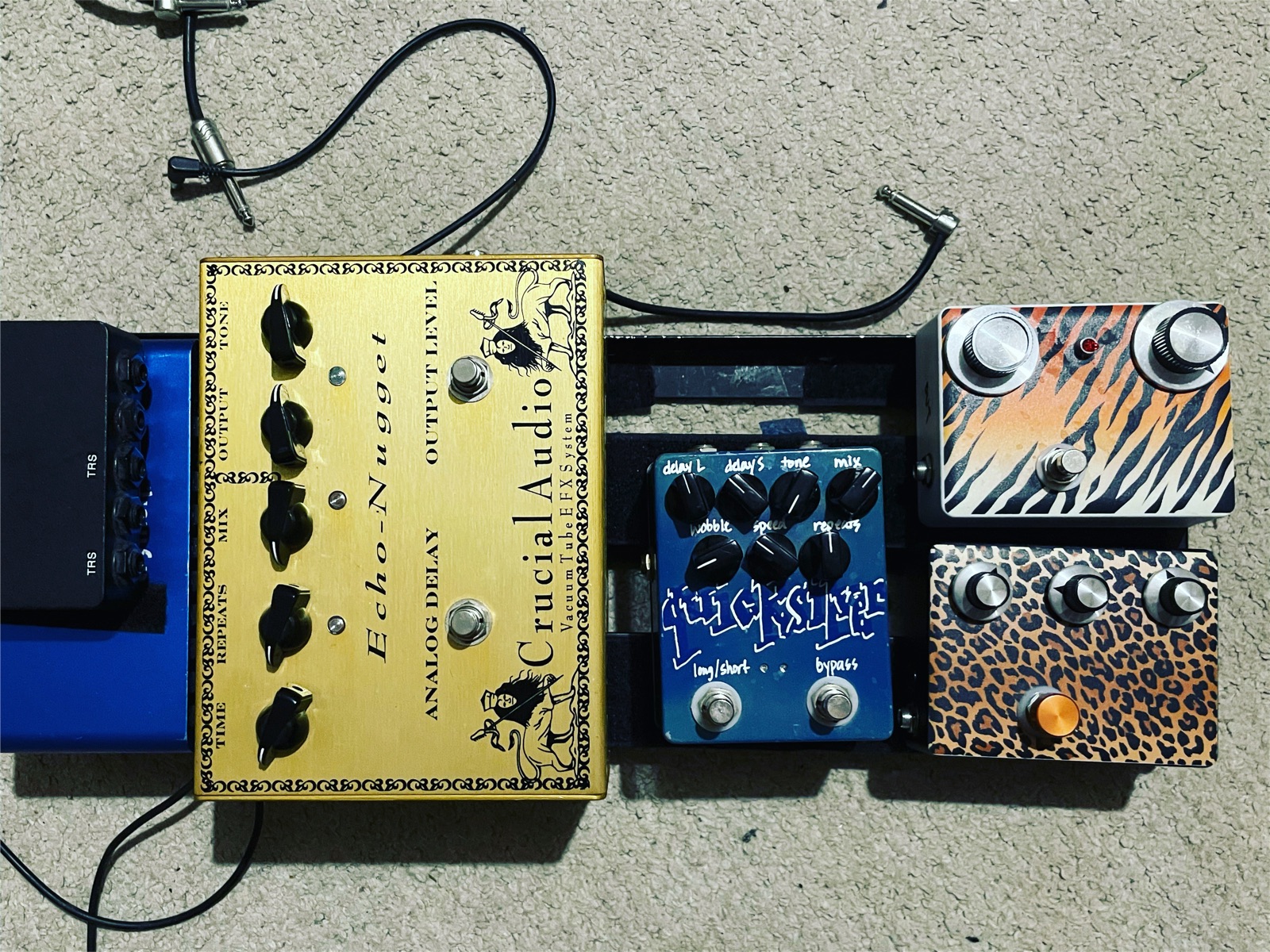
Crucial Audio and Blackbox
A Crucial Audio Echo Nugget and a Blackbox Quicksilver. Two delays rather than one because the wet side of the rig carries them, and the two do different jobs: one for slap, one for the long repeats the Cuban material sits inside. The Quicksilver is, in my opinion, the best delay pedal ever made, and it keeps the original signal analogue all the way through.
Pedalboard and switching
The board is a GigRig system. With two amps running wet and dry you need something that can send the right thing to the right side without a tap-dance between songs, and this does that.
Elevens, 11–49
Elevens on the electrics. Heavier than most people use, and the reason the Cuban material holds its note the way it does: a light string goes sharp the moment you lean on it, and none of this music forgives that.
Jazz III, the small ones
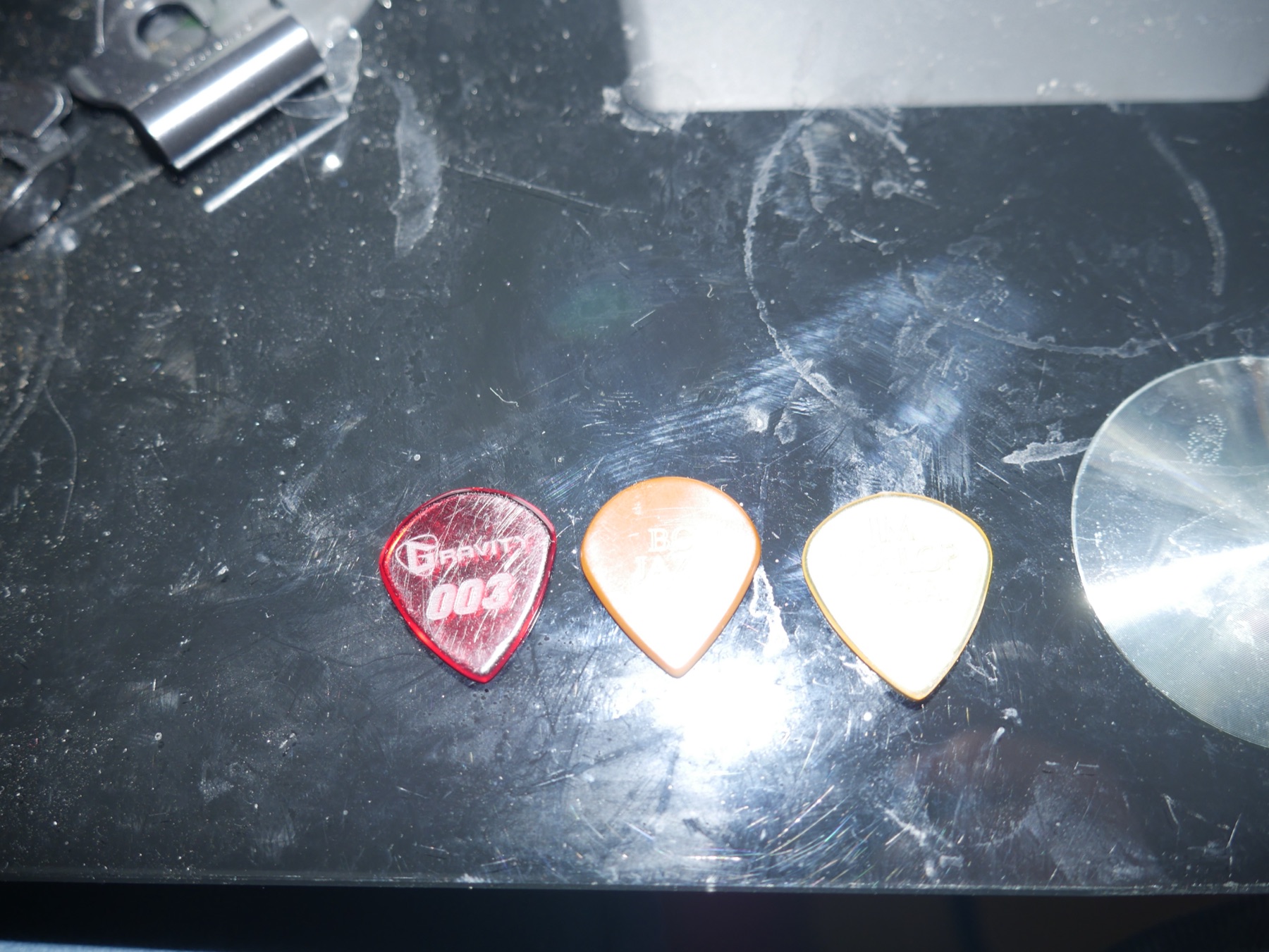
The small Jazz III. Very little of it sticks out past your fingers, which is what you want when the right hand is doing the work of a tres.
Diamond Bottlenecks
Diamond Bottlenecks, made in England. Glass, and the weight is right — the years of slide playing before Cuba have not gone anywhere.